New medical devices are reshaping the medtech industry
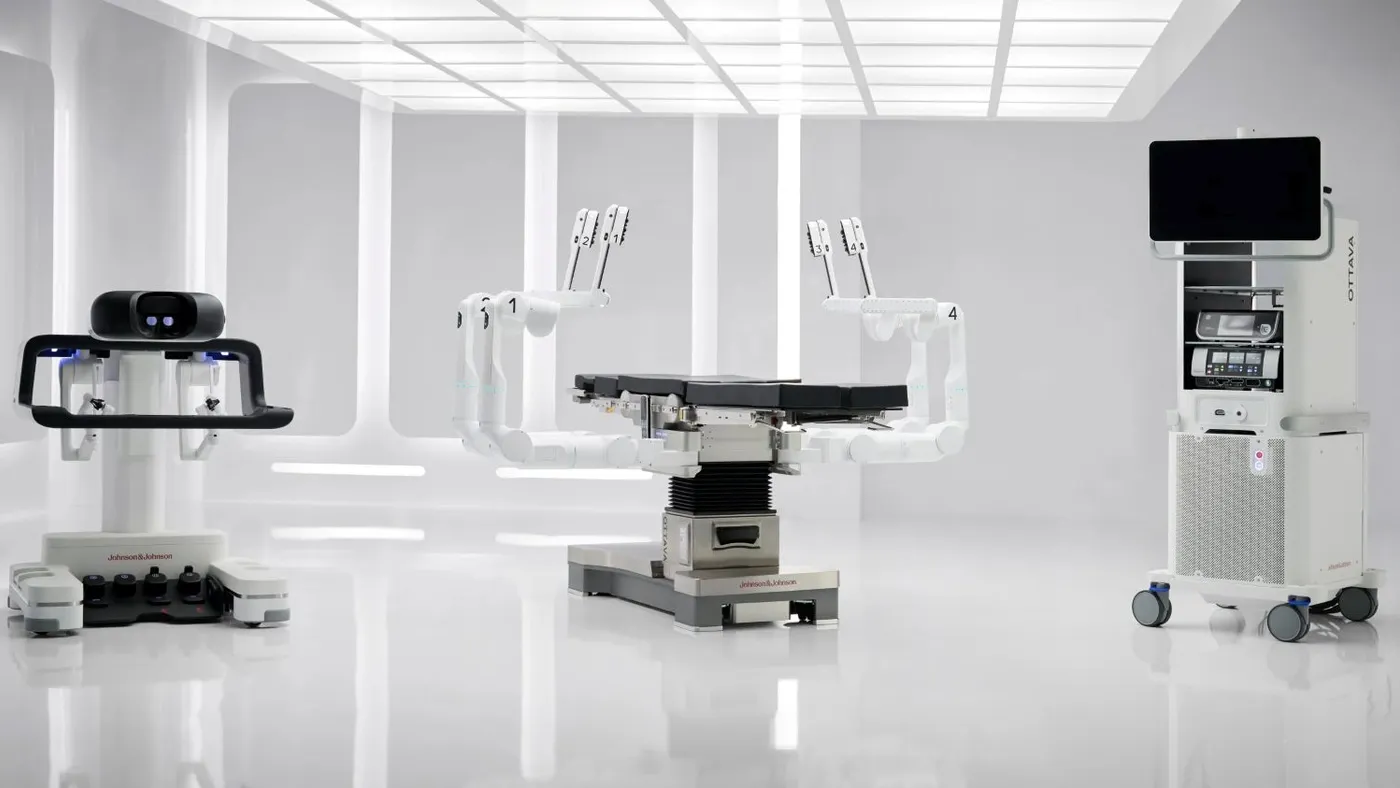
In July, Johnson & Johnson received Food and Drug Administration authorization for its Ottava surgical robot, teeing up competition with Intuitive.
Courtesy of Johnson & Johnson
Note from the editor
New technologies fuel the medical device industry. Whether they’re surgical robots, cardiac devices or wearable diabetes technology, fresh products can shift markets or create new ones that boost companies’ businesses.
One of the medtech markets undergoing a period of rapid innovation is surgical robotics, with new systems setting the stage for an interesting competition in the space. While smaller firms are racing to launch their soft tissue robots to compete with longtime market leader Intuitive, medical device heavyweights Medtronic and Johnson & Johnson have finally entered the race with their own robotic systems. However, Intuitive’s da Vinci 5 robot may be enough to hold them back.
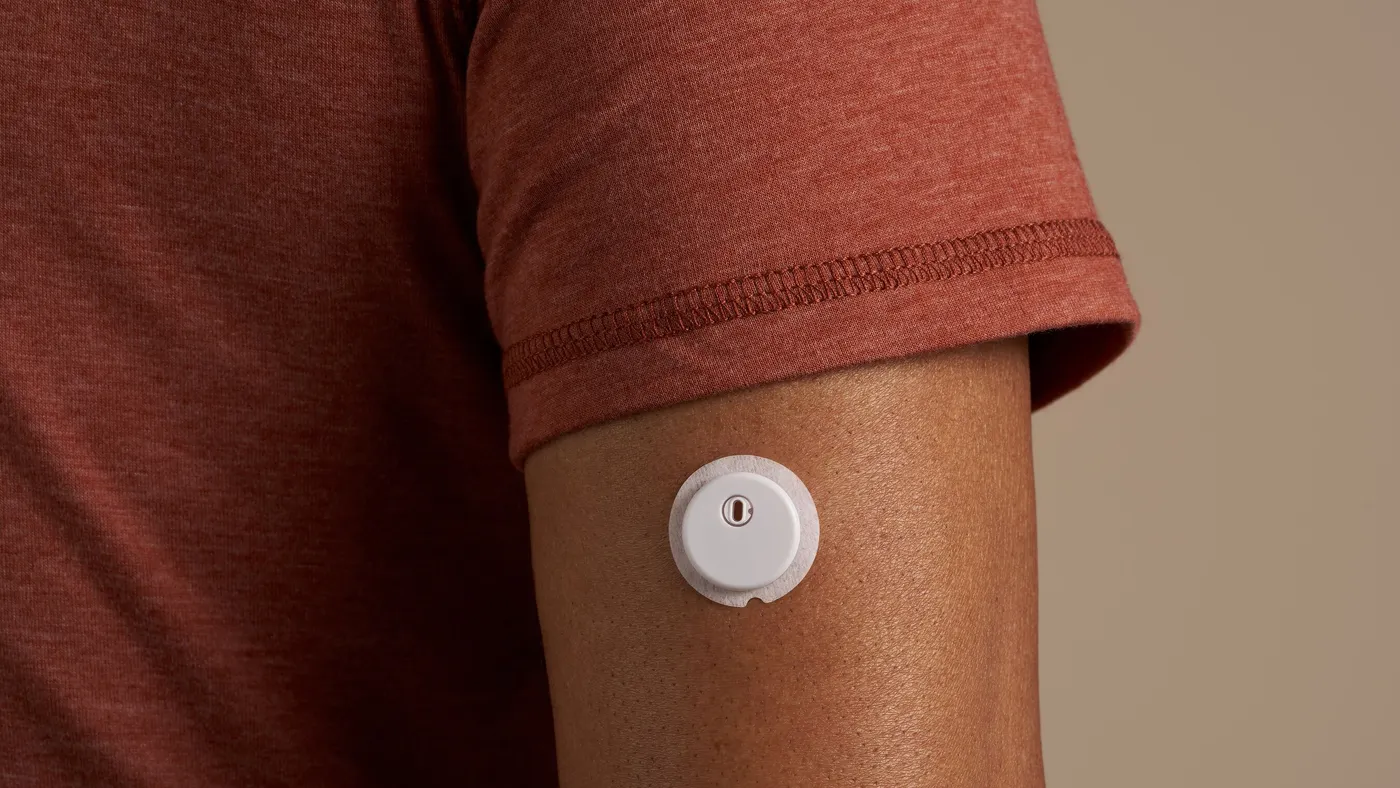
Diabetes technology is another important medtech market to watch. Dexcom and Abbott have developed over-the-counter glucose sensors — a first in the space — that are attracting users who do not have diabetes and are using the sensors as wellness devices. Companies are also innovating with sensors that can detect blood glucose along with other analytes.
Pulsed field ablation has had a big few years after the first devices were launched. The new treatment for atrial fibrillation has upended the standard of care and reshaped the electrophysiology space. Boston Scientific and Medtronic were the first to market, and their success has drawn in Johnson & Johnson and Abbott.
Meanwhile, artificial intelligence continues to make waves in the medtech industry.
There are a lot of exciting new technologies in the medical device industry, and more to come in the next several years. Read more to see which could shake up the current landscape.
J&J gets FDA authorization for Ottava robot, teeing up competition with Intuitive
While Johnson & Johnson will go head to head with Intuitive in the U.S., analysts questioned whether its robotic surgery system will take meaningful share from the market leader.
The authorization brings to the U.S. market a second heavyweight challenger to Intuitive’s da Vinci robot in soft tissue procedures, following Medtronic’s FDA clearance in late 2025. A wave of smaller companies, including CMR Surgical, Distalmotion and Moon Surgical, are also launching robotic systems in the U.S., giving Intuitive its first competition in more than two decades.
J&J said it will launch Ottava with select U.S. customers while working to obtain additional indications and regulatory jurisdictions over time.
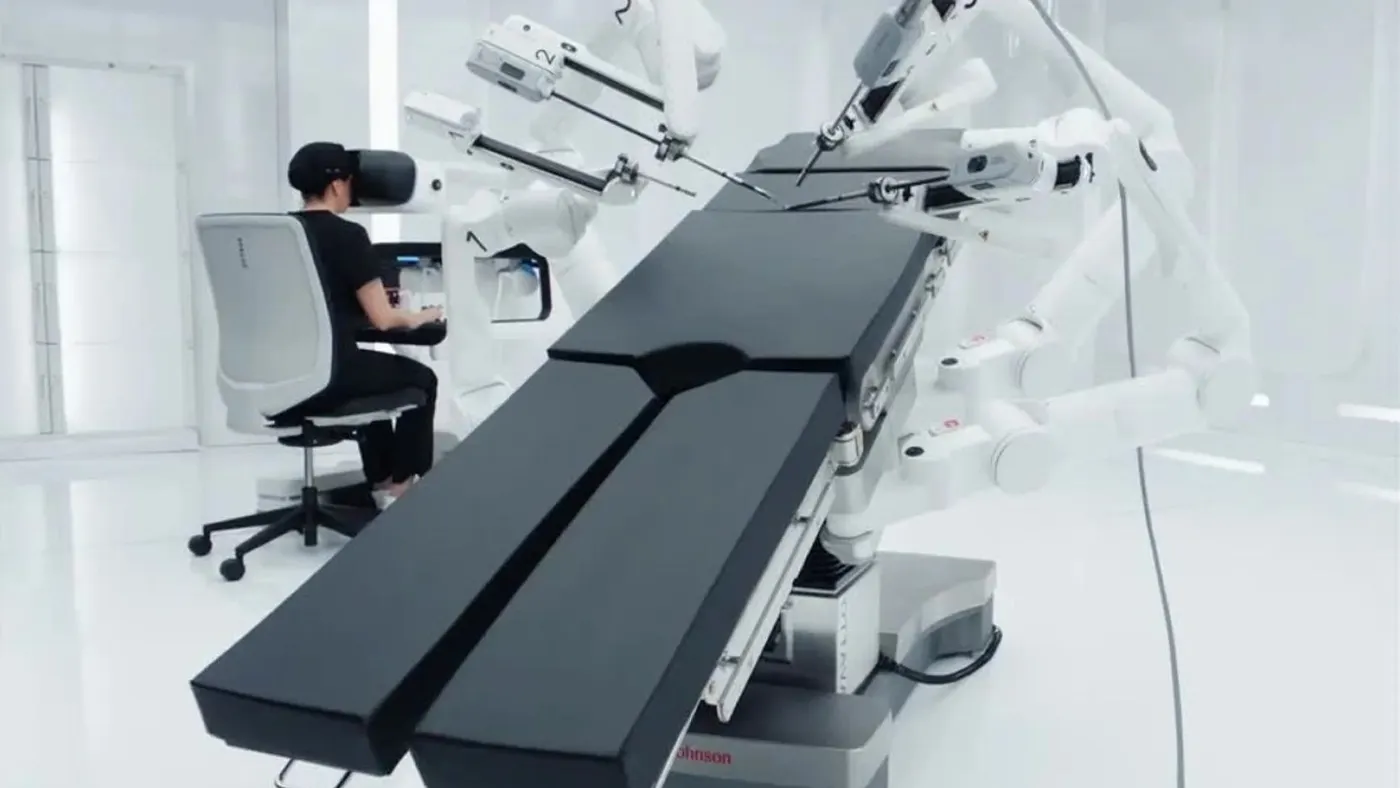
Ottava is the first soft tissue system to integrate robotic arms into the operating table. “We are pioneering a new category of surgical robotics with OTTAVA,” Tim Schmid, J&J’s worldwide chairman for medtech, said in a statement.
The FDA’s general surgery authorization covers Roux-en-Y gastric bypass, gastrectomy, cholecystectomy, splenectomy, gastric sleeve, small bowel resection, appendectomy, fundoplication, hiatal hernia repair and lysis of adhesions, a procedure to remove scar tissue. A U.S. clinical trial is also underway for Ottava in inguinal hernia repair.
Ottava takes up 30% to 50% less space than traditional boom- and cart-mounted systems and is designed to help hospitals and clinical teams improve surgical care while streamlining workflows to increase operating room efficiency, according to J&J. Synchronized table and robotic arm motions facilitate patient repositioning and multi-quadrant access to the anatomy. The system includes instrument innovations for commonly used surgical tools and connects to a digital platform for surgical data integration.
“Surgical robotics will play an increasingly important role in surgical care, but it’s clear that what defined the last 25 years of surgery will not define the next 25,” said Hani Abouhalka, J&J’s group chair of medtech surgery.
Stifel analyst Rick Wise noted the Ottava authorization comes well within J&J’s projected timeline of before the end of 2026 and just six months after the company filed its FDA submission, a relatively quick turnaround for de novo approvals.
Still, Wall Street analysts were skeptical of Ottava’s ability to gain ground on da Vinci, at least in the near term.
The robot’s launch “will almost certainly take a deliberate and phased approach, significant training (physicians and staff) will be required, and the indications for OTTAVA are still limited,” Wise wrote to clients. “But with this approval, [J&J] is now ‘in the game’ and can iterate and improve on OTTAVA over time, potentially building towards a system that is closer to directly competing with Intuitive's broader offering.”
J.P. Morgan analyst Robbie Marcus said Ottava’s smaller footprint and unique bedside attachment are interesting selling points, but he expected Intuitive to see “very modest/immaterial” loss in market share over time.
“While OTTAVA does address certain real physician pain points,” Marcus wrote in a note, “we think it's unlikely to materially dent Intuitive’s share.”
Article top image credit: Courtesy of Johnson & Johnson
Medtronic’s Hugo surgical robot earns FDA clearance
With the U.S. authorization for urologic procedures, “there is now choice” for hospitals that want to expand their robotic programs, a company executive said.
By: Susan Kelly• Published Dec. 4, 2025
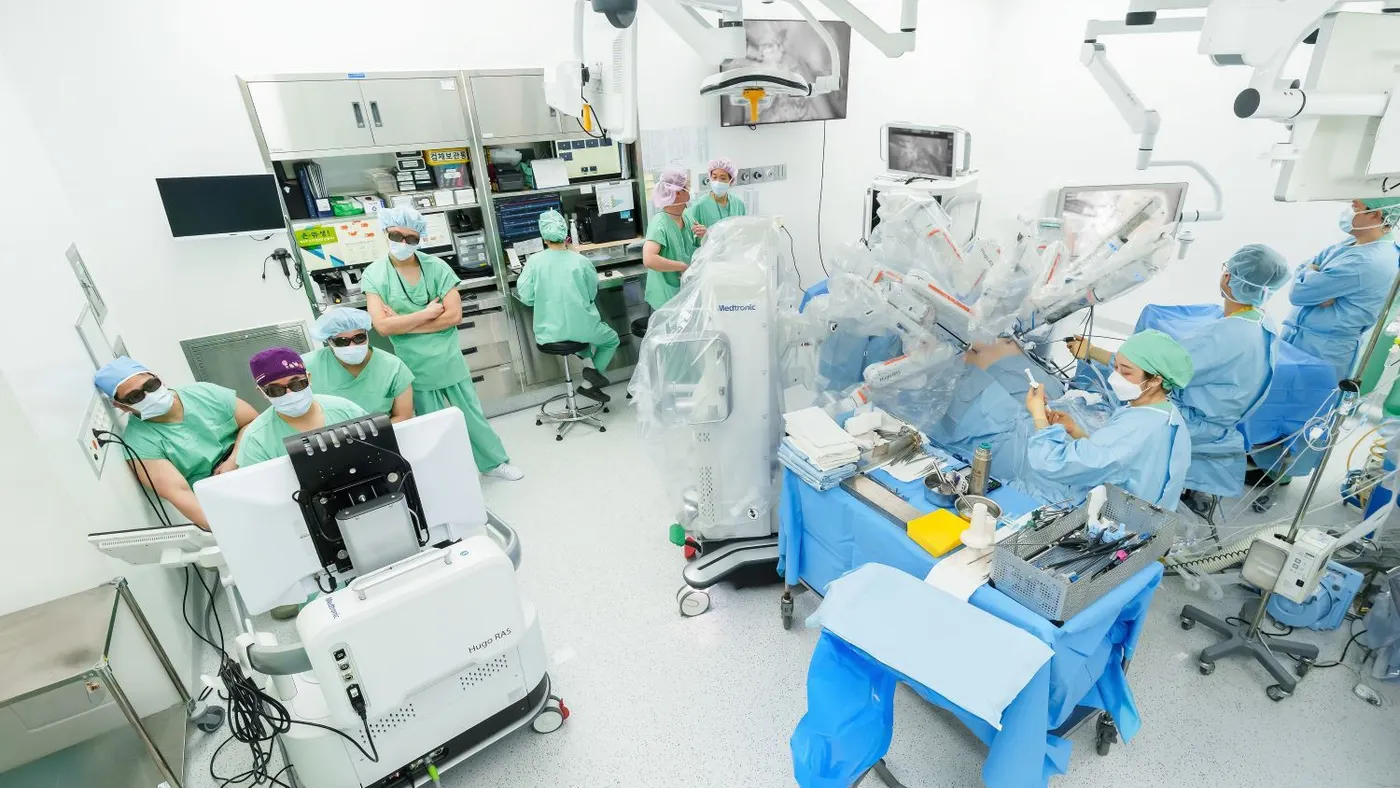
Medtronic obtained U.S. clearance for its Hugo system in urologic procedures, positioning the medtech giant to challenge Intuitive Surgical in the world’s largest robotic surgery market.
In addition to the initial urology indication, which includes common procedures such as prostate removal, the company plans to extend use of the robot to more surgical specialties in the U.S. over time, with general surgery and gynecology expected to follow next.
The Food and Drug Administration clearance “means there is now choice” for hospitals looking to expand their robotic programs, Rajit Kamal, Medtronic’s vice president and general manager of robotic surgical technologies, said in a statement.
With the FDA’s authorization, Medtronic becomes the first large medtech company to introduce a robotic system for soft tissue surgery in the U.S. since Intuitive’s arrival more than two decades ago. Johnson & Johnson is looking to enter the market with its Ottava robot and expects to make an FDA submission in early 2026 after encountering delays. Dozens of smaller companies are also working to launch surgical robots they hope will contend for a piece of the market.
Medtronic received Europe’s CE mark for Hugo in 2021. First unveiled as a challenger to Intuitive’s da Vinci system in 2019, the robot is now available in more than 30 countries worldwide and has been used in tens of thousands of urologic, gynecologic and general surgery procedures to date, according to the company.
While Medtronic has not disclosed the size of its global installed base, it has indicated procedure growth with the robot remains in the double digits, BTIG analysts wrote.
“As [Medtronic] picks up additional clearances, we think momentum can begin to build,” the analysts said.
Medtronic is a leader in the surgical instruments market. Given its size and scale, “we would not be surprised” to see the company bundle Hugo with other products it sells to health systems “to place more systems and drive utilization of instrumentation,” the analysts wrote.
CEO Geoff Martha, on an earnings call in November 2025, said Hugo’s expansion is expected to help revive growth in Medtronic’s medical/surgical portfolio, which has faced pressure from the market’s shift to robotics. The company sees the platform’s modular design, open surgeon console and digital technologies as differentiating features.
Medtronic did not provide details on the timing of its U.S. launch. Stifel analysts predicted a “slower, more deliberate approach” to the rollout initially, with momentum expected to accelerate once the system gains more labeling indications.
Medtech firms are working on sensors that can measure ketones, lactate, potassium and other analytes. While proponents of the technology say it can be used to better manage diabetes and other health conditions, there are still many unanswered questions about what to do with the influx of new data.
Abbott’s new device, called Libre Duo, continuously measures both glucose and ketones. The capability is intended to detect rising ketone levels, which can be a sign of diabetic ketoacidosis, or DKA, a serious health condition caused by lack of insulin. Abbott plans to launch the new device in some countries in Europe later in 2026 and has filed a submission with the Food and Drug Administration.
Typically, people test for rising ketones using urine test strips or blood ketone meters, but the condition can go undetected until it progresses to a medical emergency, Alisa Schiffman, Abbott’s senior medical director, wrote in an emailed statement. The symptoms of DKA, which include nausea, abdominal pain and thirst, can be mistaken for food poisoning or flu. Schiffman hopes that Abbott’s new device will help reduce DKA-related events by working in the background to detect rising ketones.
“Used in conjunction with guidance from their healthcare provider, they’ll be able to interpret their high ketone levels and take action when needed and potentially reduce their risk for DKA,” Schiffman wrote.
Dexcom, another leader in the continuous glucose monitoring, or CGM, market, has also discussed plans for a multi-analyte device, but is taking a different approach than Abbott. While Dexcom CEO Jake Leach sees value in ketone monitoring, he plans for the company’s first multi-analyte device to measure glucose and potassium, which could support people with diabetes and chronic kidney disease. Leach told investors in May 2026 that Dexcom plans to add the feature after the launch of its next device in 2027 or 2028.
Smaller companies also plan foray into multi-analyte sensors
Several smaller competitors in the CGM space are also developing multi-analyte devices.
PercuSense, a company looking to track glucose, lactate, ketones and tissue oxygen in one device, has been focusing on this approach from the beginning. Rajiv Shah, who previously worked at Medtronic's diabetes business, started the company in 2016.
“Right then and there, I knew fundamentally that we were going to multi-analyte,” Shah said.
The company is starting two studies of its technology in summer 2026 focused on Type 1 diabetes and funded by Helmsley Charitable Trust, CEO Brian Kannard said.
One of the studies will test the system in an intensive care unit setting, where a portion of people admitted will have DKA. The study will test the performance and accuracy of the sensor.
A second study will take place in an outpatient setting, testing the accuracy of the device against reference measurements in people with diabetes who are taking insulin.
Kannard said PercuSense is focusing on these four metrics because they can provide a more detailed picture of metabolic health. Markers like lactate and oxygen can also help determine the best time to deliver insulin.
After the studies, PercuSense plans to speak with clinicians about the best way to present this data to users, Shah said. The company intends to use software to help alert people without inundating them with information.
“People with diabetes understand glucose pretty well, and even that is overwhelming just with CGM,” Kannard said, adding that the company envisions using these metrics primarily to deliver insights and outcomes.
Biolinq, a diabetes tech firm that received the FDA’s de novo authorization for a CGM in 2025, also plans to add additional analytes in the future. Biolinq’s sensor, called Biolinq Shine, is for people with Type 2 diabetes who don’t take insulin. The sensor sits in the skin, rather than inserting a filament into the interstitial fluid beneath it.
Currently, the device can track glucose, activity and sleep data. Biolinq plans to launch the CGM in the second half of the year, CEO Rich Yang said.
Biolinq recently shared the results of the study it used to get de novo authorization, and a poster on a continuous lactate sensor. Yang sees value in lactate as elevated levels can be a precursor to insulin resistance, and the measurement can also help athletes with training.
“There has never been a continuous lactate sensor approved by the FDA,” Yang said.
The CEO added that lactate is one of the most important markers Biolinq is planning to bring to market. The company is also considering other measures such as ketones and cortisol.
Yang said the design of Biolinq’s device lends itself to multiple analytes.
“We're sitting at the best possible place to be able to measure these things,” he said.
Article top image credit: Courtesy of Abbott
FDA authorizes more devices so far in 2026, but it’s taking longer
Original premarket approvals are taking “substantially longer” than in 2025, according to a report from BTIG.
By: Elise Reuter• Published July 1, 2026
In the first half of 2026, the Food and Drug Administration has authorized more medical devices than in the same period of 2025. However, submissions are taking longer to approve, according to an analysis of FDA data from BTIG.
Original premarket approvals, the FDA’s most stringent evaluation of high risk medical devices, are trending ahead of 2025, but the timing to approval is “substantially longer,” BTIG analyst Ryan Zimmerman wrote Monday in a research note.
The average time to premarket approval increased to nearly 599 days in the first half of 2026, compared with about 402 days in 2025. A few outliers drove this timeframe up, according to BTIG. In total, the FDA approved 23 devices via the pathway through June 2026, an increase of 10 from the same time in 2025.
Premarket approvals are taking longer in 2026
Average number of days to original premarket approval from 2022 to June 2026.
The average time for 510(k) clearance, which is the most used pathway, also increased, although not as dramatically. The average time to clearance increased by seven or eight days, for an average of roughly 156 days to decision in the first half of 2026.
The average time to 510(k) clearance increased in 2026
Average days to 510(k) clearance from 2022 to June 2026.
The number of devices cleared by the FDA is trending up 2.5% year over year, assuming the current pace continues, with a total of 1,669 510(k)s granted through June 2026.
The agency granted 14 de novo classifications in the first half of 2026, in line with 2025. However, the time to approval increased just over 8%.
Finally, panel track approvals, which are supplements for significant changes in a device’s design or new indications for use, increased nearly 17% in the first half of 2026. Although, the average number of days to approval also increased by 6.5%.
Zimmerman wrote that the increase in authorizations was encouraging, but for many people in the medical device industry, and smaller companies in particular, “the timing to approval carries more importance in terms of the implications of capital runway and demand forecasting.”
The report comes as the FDA is looking to hire more than 2,000 new staff after cutting more than 3,000 roles in 2025. Those who remained at the FDA’s device center have been grappling with heavy workloads and attrition, according to reporting from MedTech Dive.
Article top image credit: Sarah Silbiger via Getty Images
PFA devices are changing AFib treatment. The next wave could grow the market further.
New pulsed field ablation systems from Boston Scientific and Medtronic are already reshaping the cardiac ablation market, but upcoming devices could spur even greater adoption.
By: Susan Kelly• Published June 17, 2024
A new technique for treating patients with a common heart arrhythmia is rapidly replacing traditional methods in one of medtech’s biggest new developments.
Atrial fibrillation, the heart rhythm disorder, affects 50 million people worldwide, yet less than 5% of those who could benefit from a cardiac ablation procedure to address itnow get treated, according to Jasmina Brooks, president of Johnson & Johnson’s Biosense Webster subsidiary.
Heart device makers including J&J believe they have a solution to narrow that gap, a procedure called pulsed field ablation. The technology has sparked tremendous buzz among heart specialists and Wall Street analysts, who predict speedy adoption of the new technique.
“We believe that PFA will expand that market and hopefully help us improve that less than 5% number and improve the access for people who are impacted by AFib. That's probably the biggest benefit that we expect from PFA,” Brooks said in an interview.
AFib causes the heart to beat inefficiently, increasing the risk of stroke or heart failure, and its prevalence is growing as the population ages. Drugs don’t always work to restore normal heart rhythm in AFib patients. PFA promises faster procedure times than traditional ablation methods and may be safer for patients.
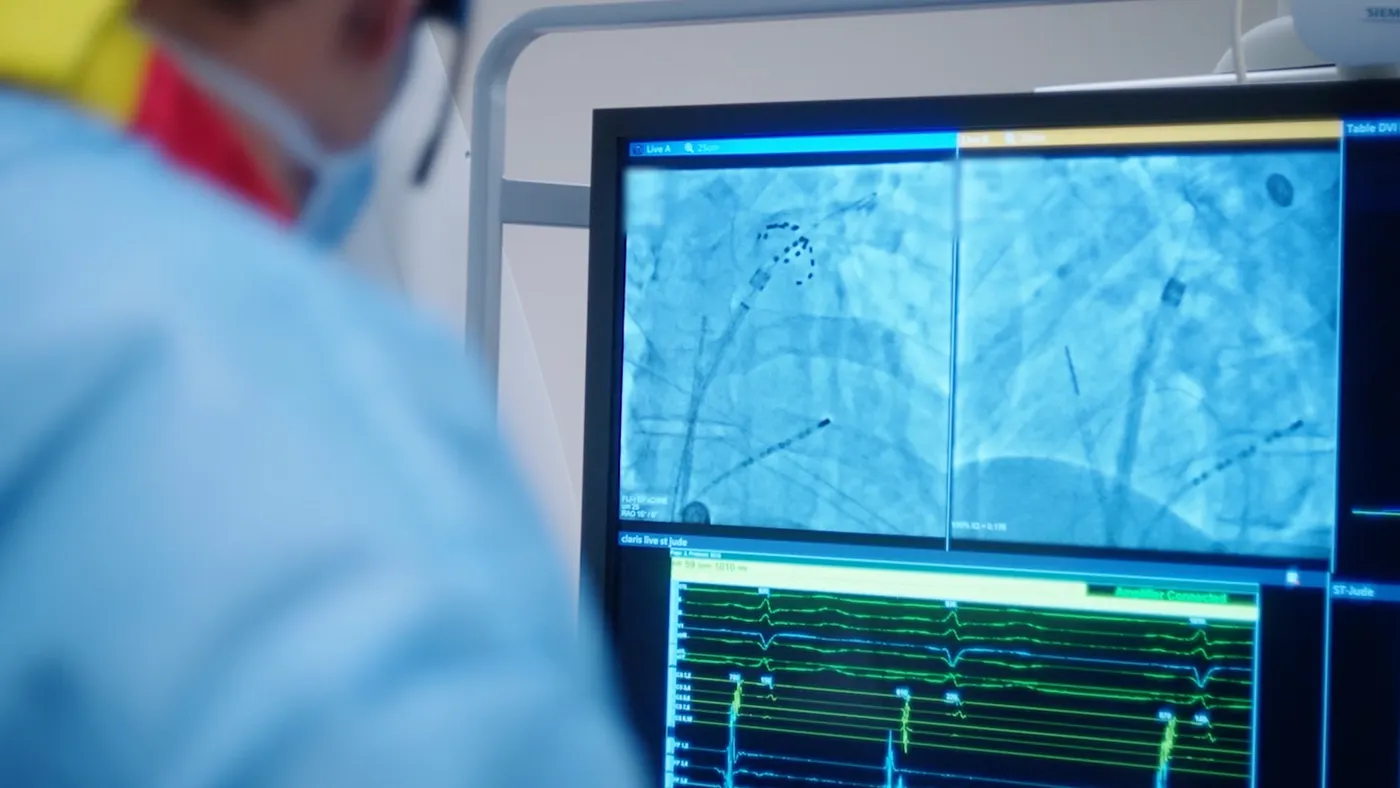
PFA applies nonthermal energy to correct faulty electrical signals in the heart. A catheter targets specific heart cells with high-voltage electrical pulses, reducing the risk of injury to surrounding tissue.
The technology differs from older techniques like radiofrequency ablation, which uses heat to scar heart tissue and block abnormal signals that cause AFib, and cryoablation, which uses extreme cold to target tissue.
“Physicians both in the U.S. and [outside the] U.S. are excited to try the innovation,” Brooks said. “They're excited about the promise of safety, efficiency, workflow efficiencies as well. Those continue to be really key considerations to adopting the new technology.”
The first PFA systems to hit the U.S. market — Boston Scientific’s Farapulse and Medtronic’s Pulseselect —started rolling out in 2024. Boston Scientific’s Advent pivotal trial was a tipping point for the industry, according to analysts, when the results last fall showed PFA to be as effective as RFA and cryoablation, and potentially safer.
“There is the belief that it's safer and that was supported by the Boston trial, which was a head-to-head trial with RF ablation, and then there was a secondary safety endpoint where it showed it was superior,” said Needham analyst Mike Matson.
Shorter procedure times are a big part of the technique’s appeal, allowing doctors to increase their case volumes. “That throughput matters a lot to hospitals,” said BTIG analyst Marie Thibault.
‘Very rapid’ uptake
Boston Scientific CEO Mike Mahoney touted Farapulse as a “transformational” product for the company in a 2024 earnings update. The CEO pointed to a “very rapid” uptake from users of both RFA and cryoablation.
Mahoney declined to disclose initial sales figures for Farapulse, which was launched midway through the first quarter of 2024. However, BTIG’s Thibault thinks revenue from the device could have reached $40 million to $50 million in that short time.
“It is a very high number, certainly the most successful medical device launch that we can think of,” Thibault told MedTech Dive.
Before PFA, radiofrequency energy was the preferred approach in roughly 85% of AFib ablation procedures, said Thibault. Meanwhile, cryoablation comprised about 15% of cases.
After Boston Scientific’s Advent data were released, BTIG surveyed 25 heart doctors who on average expected to shift half of their AFib procedures to PFA in three years. Thibault predicted that number could be closer to 60% because the technology now appears headed for even faster adoption.
Like Boston Scientific, Medtronic has reported high interest in its PFA technology, with cardiovascular group President Sean Salmon citing “astonishingly great” demand on the company’s earnings call in May 2024. Medtronic was first out of the gate in the U.S. with a December 2023 approval for Pulseselect.
Medtronic executives also were mum on PFA sales, but CEO Geoff Martha said the products drove 21% sequential growth in the company’s cardiac ablation business in its fiscal fourth quarter, as the technology more than offset declines in its cryoablation line.
Mapping the procedure
J&J, which filed an FDA submission in March 2024 for its Varipulse platform, is on track to become third to the U.S. market with a PFA system that will likely launch later in 2024, said RBC Capital Markets analyst Shagun Singh. J&J expects the integration of Varipulse with its Carto heart mapping system to distinguish its PFA offering from the competition.
Mapping helps physicians determine where to ablate before the procedure and confirm the results afterward. J&J has a huge installed base of mapping systems, said Singh.
Boston Scientific is looking to integrate mapping with PFA in 2024, and Medtronic recently filed for U.S. approval of its Affera mapping and ablation system.
Abbott also has a mapping system on the market but is lagging in the PFA race. The company announced in January 2024 that it completed the first procedures in a study of its Volt PFA device and expected to receive approval to start a U.S. clinical trial, leading analysts to predict the system could be introduced in the U.S. in 2026. It began enrolling patients in the U.S. study in April 2024.
With PFA rollouts and more expected approvals shaking up the competitive landscape in AFib treatment, the electrophysiology market “is going to be very dynamic for the next two to three years,” said Singh.
Device makers overall have continued to post strong revenues from radiofrequency procedures, said BTIG’s Thibault, noting the enthusiasm around PFA is “lifting all boats for ablation in general.”
Article top image credit: Permission granted by Boston Scientific
CMS grants NCD for renal denervation, benefiting Medtronic, Recor
National Medicare coverage paves the way for a larger patient population to access the blood pressure treatment, which gained FDA approval in 2023.
By: Susan Kelly• Published Oct. 29, 2025
New blood pressure treatments from Medtronic and Recor Medical will now be covered by Medicare.
The Centers for Medicare and Medicaid Services finalized a national coverage determination for renal denervation to treat people with uncontrolled hypertension, a widespread condition that raises the risk of heart disease and stroke.
The decision is expected to increase use of the technology to fill a treatment gap for patients when lifestyle changes and prescription medications have failed to lower their blood pressure.
Cardiologists told the CMS in public comments that the patients they have treated with a renal denervation procedure have seen significant blood pressure reduction. However, limited insurance reimbursement has slowed clinical adoption of the treatment.
In the catheter-based procedure, ultrasound or radiofrequency energy is delivered to ablate nerves around the renal arteries, disrupting overactive signaling between the kidneys and the brain to reduce blood pressure.
Two renal denervation devices, Medtronic’s Symplicity Spyral and Recor Medical’s Paradise, won Food and Drug Administration approval to treat drug-resistant hypertension in late 2023. The NCD covers both systems.
“By formally recognizing the proven clinical value of renal denervation and extending Medicare coverage, CMS is paving the way for broader, more equitable access to this breakthrough therapy,” Lara Barghout, CEO of Recor, said in a statement after the CMS decision.
Medtronic requested the NCD from the CMS in December 2024, stating that a hypertension epidemic in the U.S. shows there is an unmet need for a new option to help improve blood pressure management. Almost half of U.S. adults have hypertension, and only 1 in 4 have it under control.
Medtronic expects the treatment to be an important new product for the company.
"This determination represents a significant opportunity to improve care for patients and opens a novel and meaningful market for Medtronic, positioning our renal denervation technology as one of the most exciting growth drivers for the company,” said Skip Kiil, president of Medtronic’s cardiovascular portfolio.
Coverage criteria
The NCD recommends renal denervation for patients meeting several criteria, including a diagnosis of uncontrolled high blood pressure, defined as a reading higher than or equal to 140 mm Hg systolic blood pressure and higher than 90 mm Hg diastolic blood pressure.
Patients should be under the care of a clinician with primary responsibility for blood pressure management.
Before getting a referral for renal denervation, patients must be on lifestyle modifications and stable doses of guideline-directed medical therapy for at least six weeks and under the primary clinicians’ care for a minimum of six months, having at least three visits, with no more than two of the visits being virtual.
Years in development
Both Recor and Medtronic worked for more than a decade to bring renal denervation systems to market. Recor, a subsidiary of Otsuka Medical Devices, was founded in 2009 to focus on developing the Paradise ultrasound system.
Along the way, Medtronic faced some disappointing study results that failed to demonstrate significant blood pressure reduction, leading an FDA advisory panel to vote against recommending the device. But the procedure ultimately won FDA approval, supported by pivotal trial data demonstrating safety and effectiveness.
“Medtronic management has been building out its commercial infrastructure for its Symplicity Spyral RDN system, and we expect physicians to more rapidly adopt the technology now that a NCD is in place,” Citi Research analyst Joanne Wuensch wrote in a research note. “Still, as an emerging therapy, early utilization is likely measured as surgeons collect their own data and determine which patients may receive the most benefit.”
Article top image credit: Permission granted by Medtronic
Insulet starts study of closed loop insulin delivery system
Indicated for people with Type 2 diabetes, the system would be Insulet’s first fully automated device for insulin delivery.
Automated insulin delivery, or AID, systems combine an insulin pump with a continuous glucose monitor, and use an algorithm to anticipate the needed dose of insulin. While systems on the market today require users to input bolus doses and count carbohydrates, Insulet’s fully automated system would remove those requirements.
Insulet plans to make a 510(k) submission to the Food and Drug Administration in 2027 and launch the device in 2028.
Insulet first disclosed plans to make a fully closed loop system last year. Chief Operating Officer Eric Benjamin, speaking at an investor event, said the company was starting with Type 2 diabetes because people with Type 1 expect tight glycemic control and have a higher risk of hypoglycemia. The diabetes tech firm shared results of a small feasibility study in March 2026 showing that users of the system spent more time in range than people who used standard injection therapy to manage their diabetes.
For Insulet’s pivotal trial, called Evolve, the firm plans to enroll up to 350 adults across 40 sites in the U.S. Study participants must have Type 2 diabetes and use insulin to manage their care.
With a streamlined system, Insulet hopes to make AID easier to access, particularly for people who are working to manage their diabetes in a primary care setting.
About 70% of people with Type 2 diabetes are managed in primary care, according to the company. While Insulet’s prescriber base for Type 2 grew in 2025, adoption of AID systems by the roughly 5.5 million people with Type 2 who take insulin is less than 5%.
The fully closed loop system is intended to be simpler to use by streamlining onboarding and training, and eliminating start-up settings.
Article top image credit: Courtesy of Insulet
Abbott and Dexcom are launching the first over-the-counter CGMs. Here are 7 questions on the new tech.
Experts expect the release of new over-the-counter glucose monitors in the U.S. to fuel more widespread use of the devices.
By: Elise Reuter• Published June 26, 2024
The first over-the-counter glucose sensors will launch in the U.S. in summer 2024. Dexcom and Abbott received Food and Drug Administration clearance for OTC continuous glucose monitors in March 2024 and June 2024, respectively. Although the devices use the same hardware as past CGMs, they’re intended for a different group of users — people who do not take insulin.
Dexcom is targeting people with Type 2 diabetes who don’t take insulin with its new Stelo device, although Stelo can also be used by people who don’t have diabetes, thanks to a broad label from the FDA. Abbott, meanwhile, will split its over-the-counter products into two sensors: Lingo, which is intended for people who don’t have diabetes, and Libre Rio, which will compete more directly with Dexcom for Type 2, non-insulin users.
The new devices could allow the companies to reach about 25 million people in the U.S. with Type 2 diabetes who don’t take insulin, 15 million people who have been diagnosed with pre-diabetes and an estimated 85 million people who have undiagnosed pre-diabetes, William Blair analyst Margaret Kaczor Andrew said in an interview.
MedTech Dive spoke to experts about what to expect from the three product launches.
When will the devices be available and how much will they cost?
Dexcom is planning a late August 2024 launch of its Stelo sensor, Chief Operating Officer Jake Leach said in an interview. Dexcom will first sell the devices online, which Leach said will help the company learn more about users and their buying patterns, although he sees “great opportunity in other methods of distribution.”
Abbott also plans to sell its wellness-oriented Lingo device in summer 2024 through an e-commerce website. It has not yet disclosed timing for Rio.
Neither Abbott nor Dexcom have disclosed pricing for the upcoming products. In April 2024, Dexcom’s outgoing CEO Kevin Sayer said Stelo “pricing is going to be competitive” with other cash-pay products.
Around that time, William Blair analysts said Abbott’s cash-pay price for its Freestyle Libre CGMs was about $80 per month.
In the U.K., where Abbott first launched its Lingo device, the company charges about 120 pounds per month (roughly $152). “While some pricing data is available in that market, management suggested it may not be reflective of domestic pricing,” Kaczor Andrew wrote in a Monday research note.
Abbott’s Lingo CGM is not intended for people with diabetes. For wellness purposes, such a device can still be useful if it helps people see how their blood sugar reacts to food and activity, Stanford Medicine endocrinologist Marilyn Tan said.
Courtesy of Abbott
Why might people who don’t take insulin use a CGM?
Marilyn Tan, an endocrinologist with Stanford Medicine, said that while early CGMs were intended for patients on insulin, “increasingly, patients not on insulin are using CGMs.”
While hemoglobin A1c levels are a standard measurement of glycemic control, tests only provide an average over three months, Tan wrote in an email. She added that CGMs can provide minute-to-minute data and details on how that average was achieved.
“Particularly for diet-controlled patients and patients not on insulin, having a CGM can give important feedback about which foods raise their [glucose] and which do not, and each person reacts differently to different foods,” Tan said. “Therefore, this really allows for more individualized diet recommendations.”
For people with prediabetes, seeing this data can also be helpful and be a good motivator to make lifestyle changes. “As for ‘wellness,’ if someone does not have diabetes or prediabetes, it may be interesting to see glycemic excursions related to food and activity, and if it motivates them to improve their health, then it [can] be a useful tool,” she said.
William Blair’s Kaczor Andrew estimated that 700,000 to 800,000 people in the U.S. who don’t take insulin already use CGMs.
What software features set these apart from prescription devices?
Dexcom’s Leach said Stelo will include “quite a few features in it that are brand new to CGM users.” The app is designed to onboard people who have never used a CGM, as well as to educate them about what blood glucose means and how changes throughout the day are normal. The product’s main purpose is to help people manage their diet and activities to lower their average glucose, Leach said.
“We do expect that a large number of people are going to try [Stelo] that don't have diabetes."
Jake Leach
COO of Dexcom
Abbott’s Lingo “tracks glucose and provides personalized insights and customized coaching to help people create healthy habits, retrain their metabolism and improve their overall well-being,” a company spokesperson wrote in an email.
Lingo will provide minute-by-minute glucose data, specifically focusing on patterns after food intake and exercise, J.P. Morgan analyst Robbie Marcus wrote in a research note.
Abbott shared less detail about its upcoming Rio device. Marcus expects it will have a more targeted software interface than the Libre 3, and will not have the alarms or notifications needed by people who take intensive insulin.
“This is also one of the most annoying features for patients, so it’s great to remove them for a patient group that doesn’t really need them,” he wrote.
BTIG analyst Marie Thibault expects the device won’t include an alarm system and will have more of a consumer angle. She also said Rio can measure a wider blood glucose range of up to 400 mg/dL, compared to Lingo, which caps at 200 mg/dL.
Over-the-counter CGMs, such as Dexcom’s Stelo, use similar hardware to their prescription counterparts. The main difference is in software features, such as more education around time in range and a lack of alarms.
Courtesy of Dexcom
Why did Abbott and Dexcom take different approaches?
Abbott will offer two different over-the-counter CGMs because “there’s no one size fits all approach to managing care,” a company spokesperson wrote. For example, people living with diabetes might want features for insulin management, medication tracking and sharing data with a provider or caregiver, while people looking to better their overall health and wellness might need different features, the spokesperson wrote.
Dexcom is currently just offering one over-the-counter CGM. While Stelo is intended for people with Type 2 diabetes, “we do expect that a large number of people are going to try it that don't have diabetes,” Leach said.
After launching Stelo, Dexcom plans to iterate on its learnings to meet the needs of a broader group of users. Whether that means launching a separate device, like Abbott, is yet to be determined.
“We haven't quite decided exactly how that's going to go,” Leach said. “It really depends on how different the users’ needs are.”
Dexcom has estimated it will see $40 million in sales this year from Stelo. Abbott declined to share sales projections, Marcus wrote. He added that Abbott expects its diabetes business to grow to $10 billion in sales by 2028, which includes sales from Libre Rio but does not factor in Lingo.
Abbott CEO Robert Ford first announced the Lingo line of products at CES in 2022. The company hopes to make $10 billion in sales from its Libre line of CGMs by 2028, not including Lingo.
Ethan Miller via Getty Images
Will OTC devices make CGMs more accessible?
Stanford’s Tan said over-the-counter products may not necessarily lower the cost of CGMs because insurance should cover the devices for patients taking insulin.
“Without insurance, CGMs can be quite expensive even with patient assistance programs and coupons,” Tan wrote in an email. “I don't yet know how expensive the OTC CGMs will be, but they may not actually be cheaper than obtaining it through a prescription.”
On the other hand, insurance often doesn't cover CGMs for people with Type 2 diabetes who don’t take insulin, Joshua Neumiller, president-elect for healthcare and education at the American Diabetes Association, wrote in an email. “OTC CGM availability will help address access barriers for these individuals,” he added.
“I don't yet know how expensive the OTC CGMs will be, but they may not actually be cheaper than obtaining it through a prescription.”
Marilyn Tan
Endocrinologist at Stanford Medicine
Since the devices are FDA-cleared, people can use their health savings and flexible savings accounts to purchase them, the Abbott spokesperson wrote.
“Many people with diabetes already have coverage for our FreeStyle Libre system, and we’re continually looking to expand this coverage to help more people with diabetes get access to the technology,” the spokesperson added.
Is there a concern that people will use an OTC CGM when they need a prescription CGM?
BTIG’s Thibault said there’s some risk, but since prescription CGMs are well-covered by insurance, people would probably pay more to get them over the counter.
“The label is saying you aren't going to be dosing insulin off of this,” she said. “There's a little bit of risk that someone would use it in that way, but it's certainly off-label use and the market structure today disincentivizes those insulin users because they could get coverage another way.”
ADA’s Neumiller said a prescription CGM would be more appropriate for people taking insulin, who have a history of problematic glycemia or who could benefit from integrating their CGM with insulin pumps or other devices.
“It will be important to educate people with diabetes about the key functional differences between over-the-counter CGM and prescription CGM products,” Neumiller added.
Are other CGM-makers, such as Medtronic, likely to sell an OTC device?
Other companies might eventually pursue over-the-counter CGMs, but Thibault doesn't expect to see new entrants in the next 12 to 18 months.
“I don't see many companies that have the footprint today in CGM and the investment dollars to make that work,” she said, adding that Abbott and Dexcom currently dominate the market for disposable CGMs.
Article top image credit: Courtesy of Dexcom
Bayesian Health gets FDA nod for AI sepsis detection tool
Created by Johns Hopkins University researchers, the early warning system for sepsis aims to help physicians detect the serious condition earlier.
Sepsis is a life threatening response to infection. Detecting sepsis earlier can improve a patient’s chance for survival. Once a clinician suspects sepsis, the clock has been running, often for hours or even days, Bayesian Health founder and CEO Suchi Saria said in a statement.
Other Food and Drug Administration-authorized sepsis tools on the market require a physician to suspect sepsis first. Bayesian’s system, which uses electronic health records and AI, can detect sepsis nearly two to 48 hours faster than traditional methods, the company said.
Bayesian was started by Saria, a Johns Hopkins professor and director of the AI & Healthcare Lab. Saria started translating her lab’s research into a real-world product after losing her nephew to sepsis in 2017.
Sepsis is a leading cause of death in U.S. hospitals, and can be easy to miss. Its symptoms, such as fever and confusion, are common in other health conditions.
“Sepsis has been the focus of my work for more than a decade — a direction set, in part, by losing someone I loved to it,” Saria said in a statement. “The work behind this clearance spans more than a decade: the deep research, the peer-reviewed validation, and the deployments that proved it works at the bedside. FDA clearance is a critical milestone, and it's also the consequence of years spent validating that this fits into clinician workflows and helps them get ahead of deterioration instead of reacting to it. That's the bar clinical AI should be held to.”
Bayesian’s device analyzes patient data from electronic health record systems, including the chief complaint at the emergency department, laboratory measurements, vital signs, procedures and medications, according to the FDA’s summary. The system puts out a flag, such as “sepsis risk high,” within the health record to help clinicians detect sepsis early.
A prospective study published in Nature in 2022 found that patients with sepsis whose alert was confirmed by a clinician within three hours had a reduced in-hospital mortality rate and lower rates of organ failure and length of stay, compared with patients whose alert was not confirmed by a provider within three hours. Patients with sepsis were 18% less likely to die in the hospital when clinicians acted on Bayesian’s alerts in time, the company said in a summary of the findings.
Bayesian received the FDA’s breakthrough designation in 2023 for the technology. It has been deployed at several health systems, including Cleveland Clinic, MemorialCare in California and University of Rochester School of Medicine.
Article top image credit: Permission granted by Will Kirk / Johns Hopkins University
Aidoc wins breakthrough nod for AI that reads chest X-rays
Aidoc is working on an artificial intelligence feature that would analyze chest X-rays and generate preliminary reports for more than 100 findings.
The system, called First Read, is expected to generate preliminary reports on more than 100 pre-specified findings, a spokesperson for Aidoc wrote in an email. A radiologist still must sign every report made by First Read. Aidoc declined to provide the full list of findings as the product is not yet on the market.
Aidoc CEO Elad Walach said in a statement the feature is intended to help reduce the time radiologists spend on reporting and interpretation.
The FDA’s breakthrough designation prioritizes devices for agency review and provides more opportunities for feedback. To be eligible, a device must provide more effective treatment or diagnosis of a life threatening or debilitating condition.
Aidoc’s technology is based on the same architecture as another application made by the company to triage multiple findings in a single CT scan. First Read is intended to generate reports and is separate from Aidoc’s other products that help triage and prioritize worklists for radiologists, the company said in an email.
Aidoc raised $150 million in financing in April 2026 to advance its AI models and is now used in more than 2,000 hospitals worldwide.
Aidoc’s breakthrough designation comes as medical device firms test using generative AI, a type of technology that generates text and images.
In June 2026, UpDoc received FDA clearance for a patient-facing device that uses large language models, a type of generative AI. UpDoc received the clearance for a platform that can integrate with a provider’s electronic health record and reach out to patients in between visits. For example, it could adjust insulin dosing for a person with Type 2 diabetes whose blood glucose is drifting out of range, within parameters approved by a physician.
While companies are experimenting with using generative AI, the FDA has not yet laid out a framework for how it plans to regulate the technology. The agency has hosted two advisory panels on the technology and issued draft guidance in early 2025 on AI transparency, mitigating bias and post-market monitoring. The agency has not yet finalized the draft.
Article top image credit: Getty Images
New devices reshaping the medtech industry
Breakthrough medical technologies—from cardiac ablation devices to OTC glucose sensors—are disrupting established markets and creating new revenue streams across the medtech industry. These innovations are intensifying competition among industry giants while simultaneously expanding healthcare accessibility for patients.
included in this trendline
J&J gets FDA authorization for Ottava robot, teeing up competition with Intuitive
4 diabetes tech execs on the future of multi-analyte glucose sensors
FDA authorizes more devices so far in 2026, but it’s taking longer
Our Trendlines go deep on the biggest trends. These special reports, produced by our team of award-winning journalists, help business leaders understand how their industries are changing.