Dive Brief:
- Medtronic’s Symplicity Spyral renal denervation system has secured reimbursement approval in Japan, expanding access to the hypertension treatment in a country where about 43 million adults have high blood pressure, the company said Thursday.
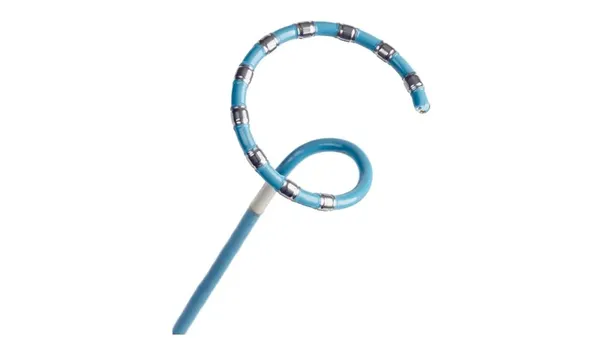
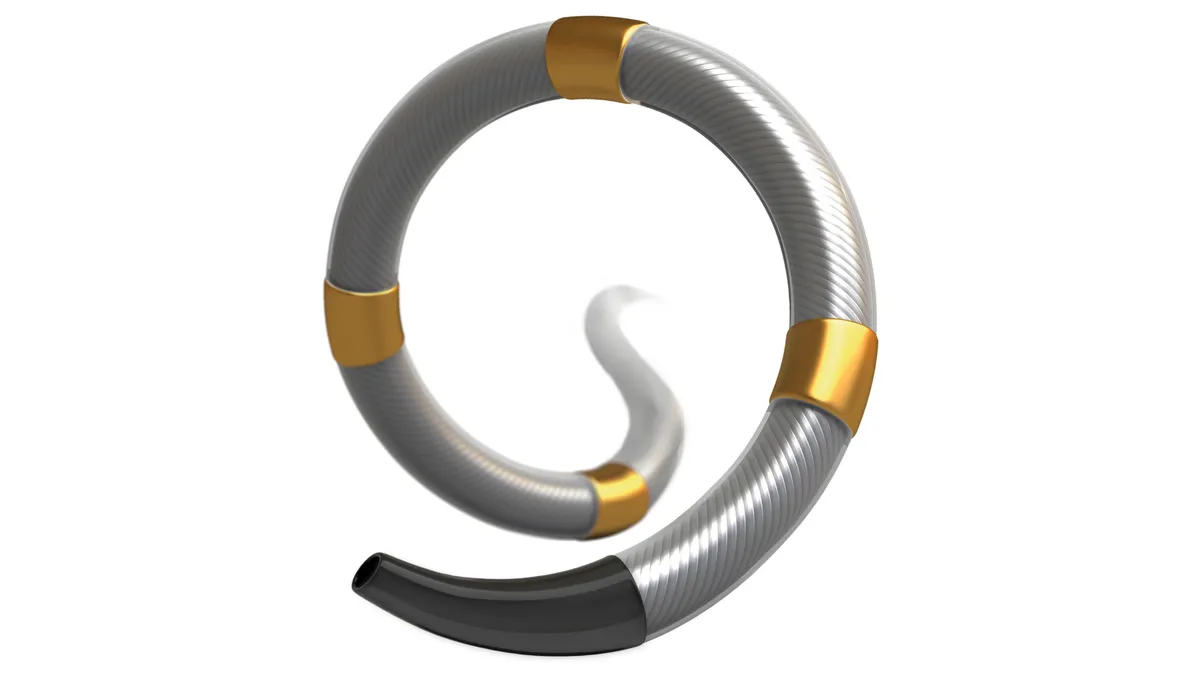
- The decision from Japan’s Ministry of Health, Labour and Welfare comes less than four months after the Centers for Medicare and Medicaid Services granted a national coverage determination in the U.S. for renal denervation. The catheter-based procedure uses energy pulses to ablate nerves near the renal arteries to lower blood pressure.
- Medtronic is now building out a market for the new treatment and expects Symplicity Spyral to be one of its bigger future growth drivers. The system is approved for commercial use in about 80 countries.
Dive Insight:
Medtronic is ramping up the rollout of Symplicity Spyral after receiving the CMS NCD in October. CEO Geoff Martha, on an earnings call this week, said the company is putting resources into market development efforts such as a direct-to-consumer website that has seen a spike in visits.
The investment includes hiring for roles that support the development of referral pathways from general practitioners and hypertension specialists to the hospital, and for positions in health economics and coding and billing.
“We'd also like to build the brand of Symplicity and make it synonymous with hypertension management,” Martha said.
The Medtronic procedure, along with Recor Medical’s Paradise renal denervation system, won Food and Drug Administration approval to treat drug-resistant hypertension in late 2023. Patients with high blood pressure typically are advised to make lifestyle changes and prescribed antihypertensive medications. Renal denervation offers a new, device-based option for people with hypertension.
Medtronic said data showing that many people have uncontrolled high blood pressure underscores the need for new interventions to improve outcomes.
About 77% of adults with hypertension worldwide do not have it under control, according to the World Health Organization.
Three-year data from the SPYRAL HTN-ON MED trial, released in the fall, showed significantly lower blood pressure in patients who underwent the procedure, compared to those who received a sham treatment. Many cardiologists, in comments to the CMS backing the NCD, also described positive early experiences treating patients with renal denervation and said it was effective in lowering their patients’ blood pressure.
“It's really resonating with patients, and that in and of itself is getting doctors excited,” said Martha.