Dive Brief:
- Vicarious Surgical said it has entered into a partnership with a digital engineering and software development services firm in a step toward streamlining its operations.
- The robot developer, which did not name the firm, said last week the agreement is central to its broader plan to improve execution, increase development predictability and reduce operating expenses.
- “Partnering with an organization that has scaled programs of similar complexity allows us to focus our internal teams on core innovation, system level integration, and the work that most directly advances us toward design freeze and clinical readiness,” Stephen From, who joined Vicarious as CEO in August, said in a statement.
Dive Insight:
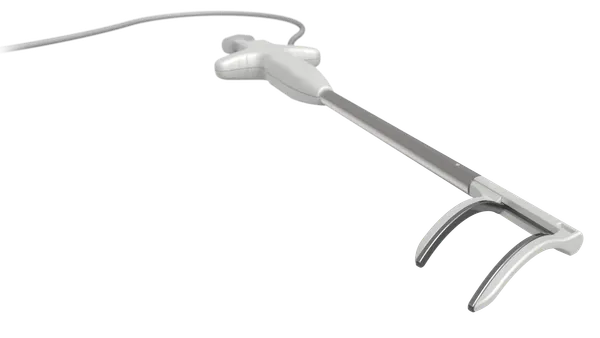
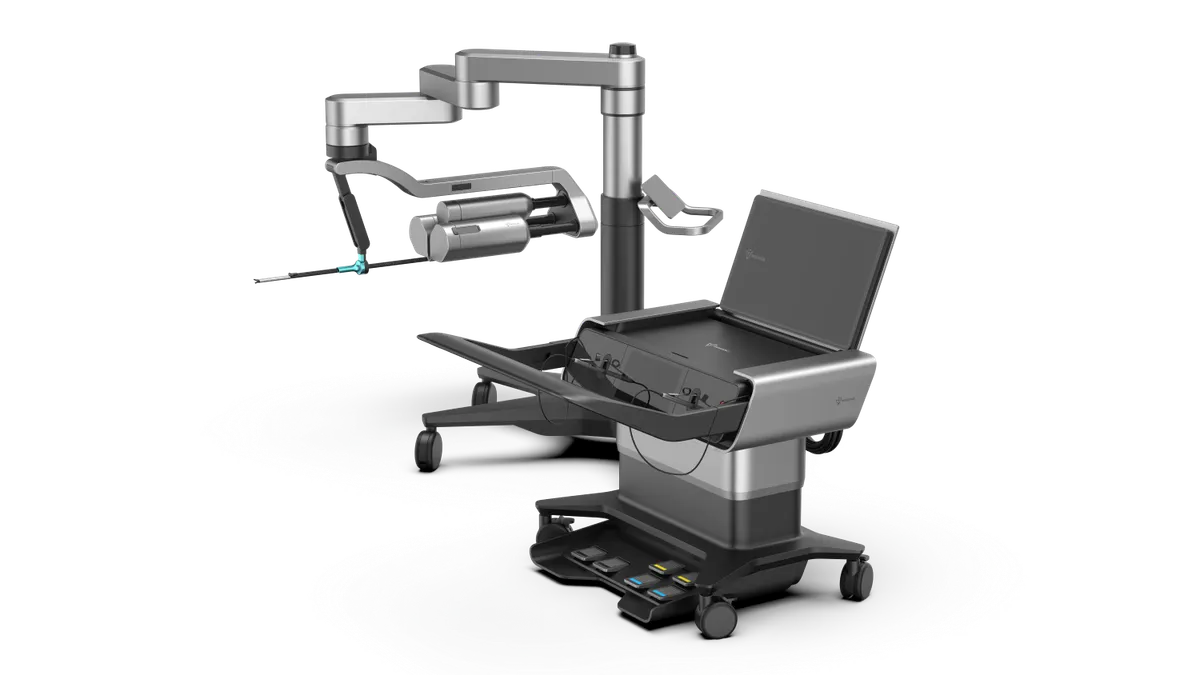
Vicarious is developing a single-port robotic system for abdominal procedures. The company sees a large untapped market, with 82% of the more than 5.6 million U.S. abdominal procedures performed annually still done as open surgeries or laparoscopic.
Shortly after From came on board, the new CEO told investors on an earnings call that Vicarious was setting aside plans to begin a clinical trial and would focus on completing the design for the commercial version of its robot.
The company previously delayed the start of the trial in early 2025. In August, From said the timing of a planned de novo filing with the Food and Drug Administration for the Vicarious system would depend on the study’s timeline. The company earlier had targeted late 2026 for its FDA submission.
In its latest update, Vicarious said its new partner’s global footprint and mature engineering processes were expected to support more predictable progress toward key milestones and to lower costs. The partner will take on engineering functions for control systems, visualization and key workflow components under the agreement.
In a progress recap in November, From said the miniaturized robotic arms and immersive visualization system that are hallmarks of the Vicarious system would remain “firmly in-house.”
A month later, Vicarious reduced its full-year cash burn forecast by $5 million, bringing the 2025 total down to about $45 million, due to cost management initiatives. The company also projected a full-year 2026 cash burn of about $35 million, and said its cash needs beyond existing resources to finalize the robot’s design were about $25 million.
The Waltham, Massachusetts-based company counts Bill Gates, Khosla Ventures, Innovation Endeavors, AME Cloud Ventures, Sun Hung Kai & Co. and E15 VC among its investors.