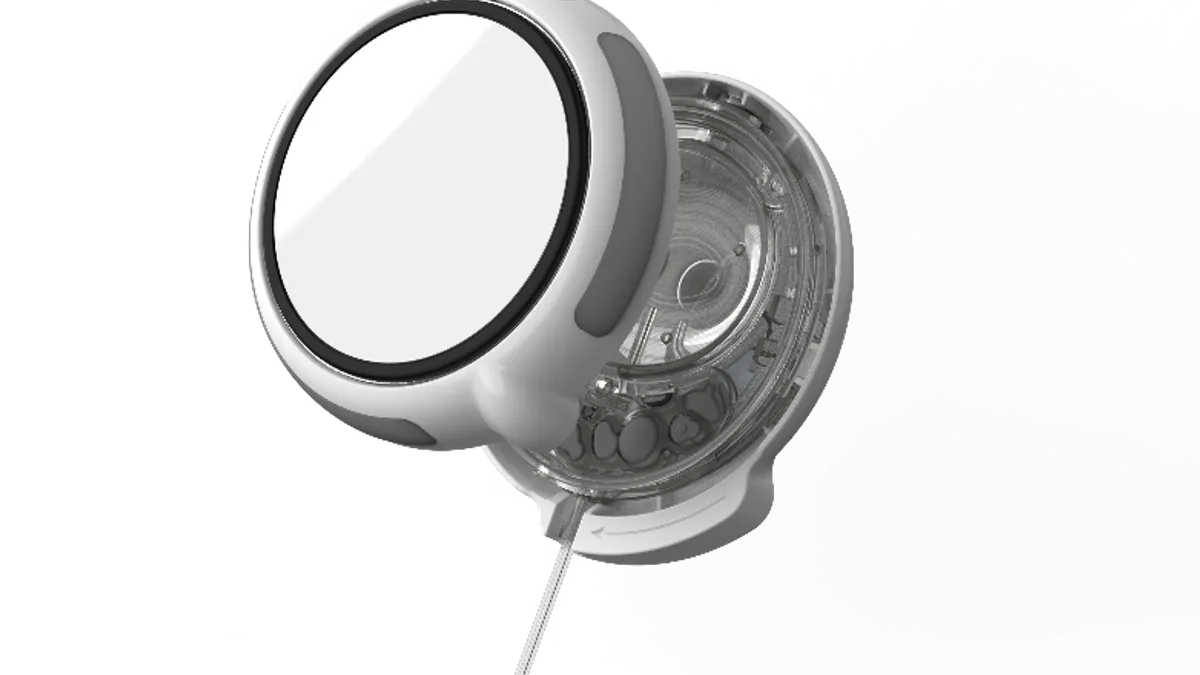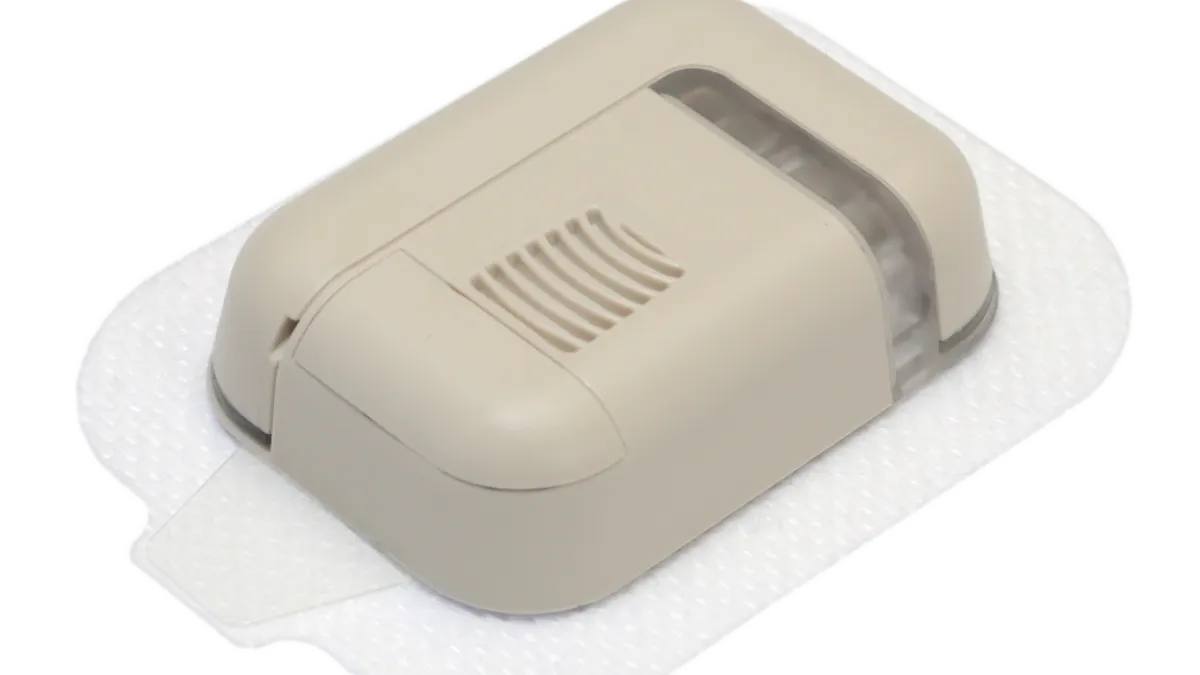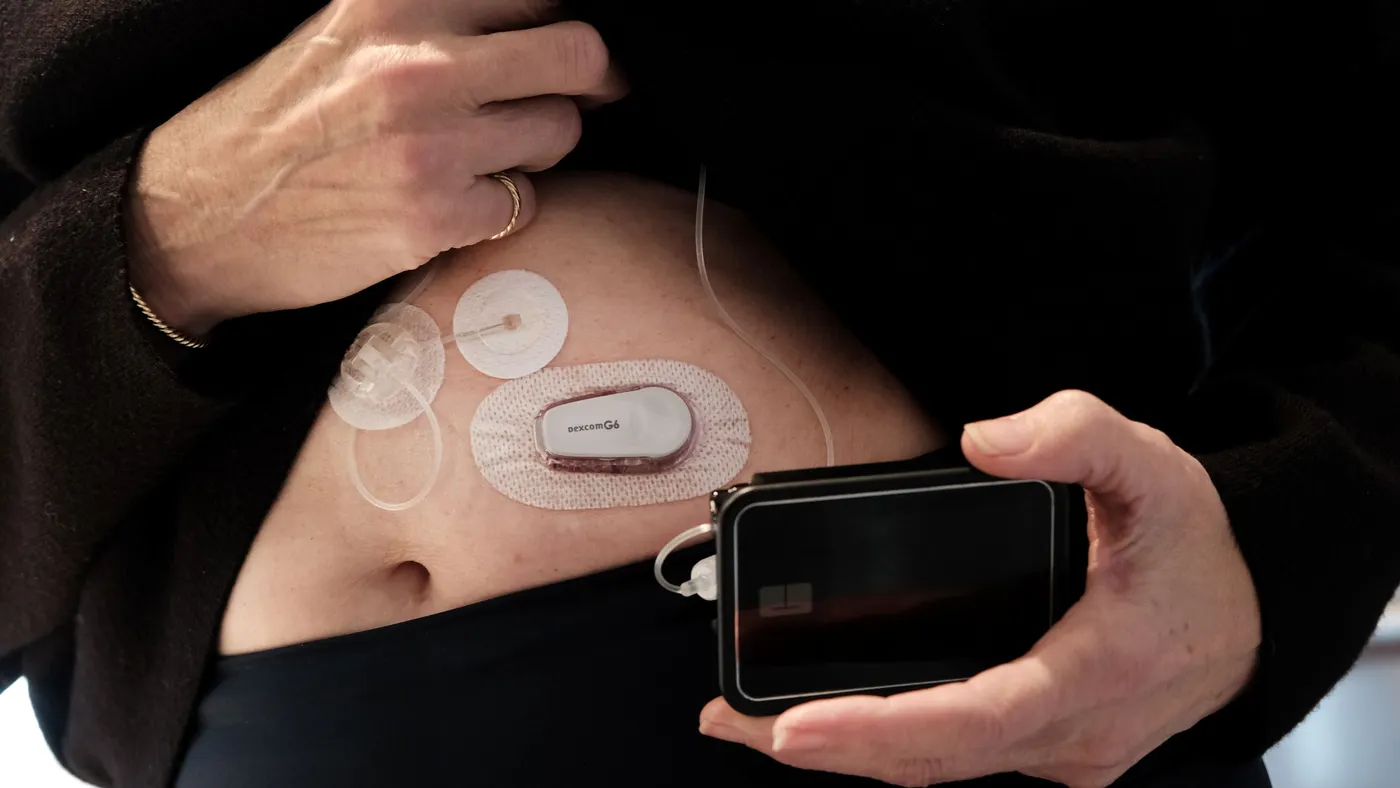
Ahead of a prominent diabetes conference, several medical device companies are touting upcoming technologies they say will make it easier for people to manage their diabetes. Insulet, Tandem Diabetes Care and Medtronic spinoff MiniMed are all working on what they call fully closed loop automated insulin delivery, or AID, systems that use data from a glucose sensor to calculate how much insulin a person needs and then deliver it through an insulin pump.
Unlike current AID systems on the market, these new systems would not require people to announce food or count carbohydrates ahead of mealtimes.
Insulet plans to share late-breaking data at the American Diabetes Association’s Scientific Sessions this weekend on the next phase of its feasibility study. MiniMed also will present a late-breaking poster session on development and clinical validation of its planned algorithm.
The technology holds promise in reducing the burden of diabetes, experts said, but it does not automate everything. Device developers have to make decisions about how many options to give users and how to earn their trust.
Medtech firms developing these systems are calling them “fully closed loop,” but it’s a misnomer, said Rayhan Lal, an endocrinologist and assistant professor at Stanford Medicine. Removing the need to count carbs or announce meals can help people with diabetes, but the devices aren’t totally hands off.
Lal has used an AID system for years developed by OpenAPS, an open-source project started by people with diabetes, to manage his insulin dosing without meal announcements. However, Lal said he wouldn’t call the system he uses — or the ones being made by device companies — fully closed loop, since people still have to engage with them.
“If I go for a run, I still would have to somehow indicate to the system, listen, my insulin needs are suddenly changing and you’re going to have to pull back,” Lal said.
Exercise and illness can affect a person’s insulin sensitivity and how much insulin they need. Many pumps also shift to a backup mode that requires user input if their glucose sensor fails or disconnects.
“It radically reduces the number of inputs I have to give to the system,” Lal said, “which is in itself very nice.”
Insulet plans FDA submission
Insulet, a company that makes insulin patch pumps, is working toward a regulatory submission for an AID system without meal announcements. In May, Insulet started a pivotal study of the device, with plans to make a 510(k) submission to the Food and Drug Administration in 2027 and for a 2028 launch.

Insulet Chief Medical Officer Trang Ly said the system is intended for people with Type 2 diabetes who take insulin. In addition to users not needing to enter information for mealtime doses, their physicians don't need to program insulin pump settings at the start of therapy, which Ly sees as a way to reach more patients.
Ly said the company had to figure out how much insulin to give to ensure people were getting effective glucose control and avoid hypoglycemia.
Figuring out where to start “at a level that is effective but safe, and at a value that can auto-titrate with the patient, that sort of is where the magic lies, and that is what we’ve been trying to determine through the course of our clinical studies,” Ly said.
Insulet shared results of a 24-person feasibility study in March that showed users had a 68% time in range, which measures how much time a person with diabetes spends within their target blood glucose range. Most people should aim for a time in range of about 70%, according to the ADA. Insulet said the result was a 24% improvement over standard injection therapy.
Jennifer Boyd, senior director of medical affairs at Insulet, said more than 90% of participants wanted to keep using the feature and continue into an extension study.
MiniMed studies optional bolusing

MiniMed is working on a system called Vivera where meal announcements will be optional. The company is studying it in both people with Type 1 and Type 2 diabetes, said Ali Dianaty, MiniMed’s chief product and technology officer.
Vivera also has a lower insulin target than the company’s current hybrid closed loop systems. Dianaty said the lower target can help people get better control if they’re not bolusing, and can help people stay within the target blood sugar range for pregnancy.
In a 24-person study, MiniMed had adults get a baseline with the existing 780G system, and use the new algorithm, counting their carbs and announcing their meals for 30 days. Then, the company asked those participants not to enter any meal announcements for the next 30 days. After the study, participants decided to skip meal announcements more often, meeting MiniMed’s intent for the feature, Dianaty added.
Dianaty said the company chose to give users the option to bolus as they want, which was more of a puzzle than giving people just one choice.
“We're trying to accommodate the full gamut of what we see in terms of how people are responding to their diabetes management, and that’s a significant challenge,” Dianaty said.
MiniMed has been enrolling in a U.S. pivotal trial of Vivera since February. The company has not shared timing for an FDA submission.
CamDiab wins CE mark
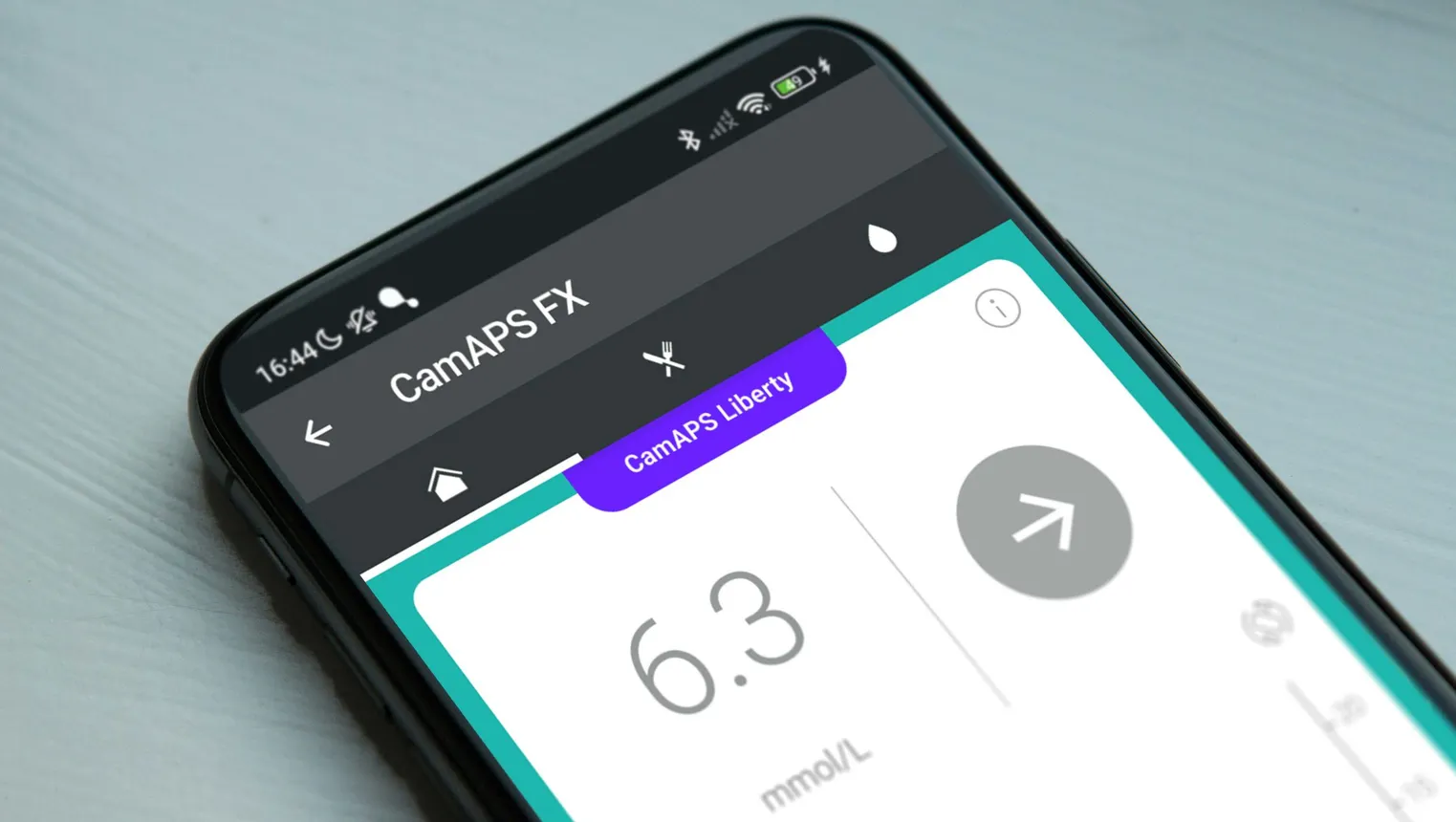
In Europe, a feature that gives people the option to skip carb counting or pre-meal insulin boluses has received regulatory authorization. Cambridge, U.K.-based CamDiab received a CE mark for the feature this year, called CamAPS Liberty, which is for people with Type 1 diabetes who are 13 years and older.
CamDiab plans to roll out the feature on its current hybrid closed loop app, CamAPS FX, which would give people the option to switch to CamAPS Liberty for a period of time. How long that is depends on the person and their goals, said Candice Ward, CamDiab’s training and outreach manager.
CamDiab decided on the approach after running a 26-person crossover study where people used the fully closed loop feature all the time, comparing them with a control group where people used an insulin pump and a continuous glucose monitor, or CGM. Then the groups switched treatments. People had an improved time in range when they used the closed loop feature, but CamDiab didn’t want to remove the option for people to bolus if they preferred that approach.
“This was a group of people who struggled with bolusing. What we didn't want to do is force people who aren't struggling with bolusing to have to work in a way that they don't want to work,” Ward said, adding that CamDiab’s goal was to strike a balance between clinical outcomes and quality of life.
CamAPS Liberty has not been launched yet, but CamDiab expects a rollout in countries where the feature has regulatory approval near the end of the year.
Tandem developing a fully closed loop system
Tandem Diabetes Care is also working on its own system, called Tandem Freedom, although it has shared fewer details. The company has done feasibility studies that showed promise in safety and the ability to maintain acceptable glycemic control, said Laurel Messer, Tandem’s vice president of medical affairs. Tandem is looking to start a pivotal trial later this year.
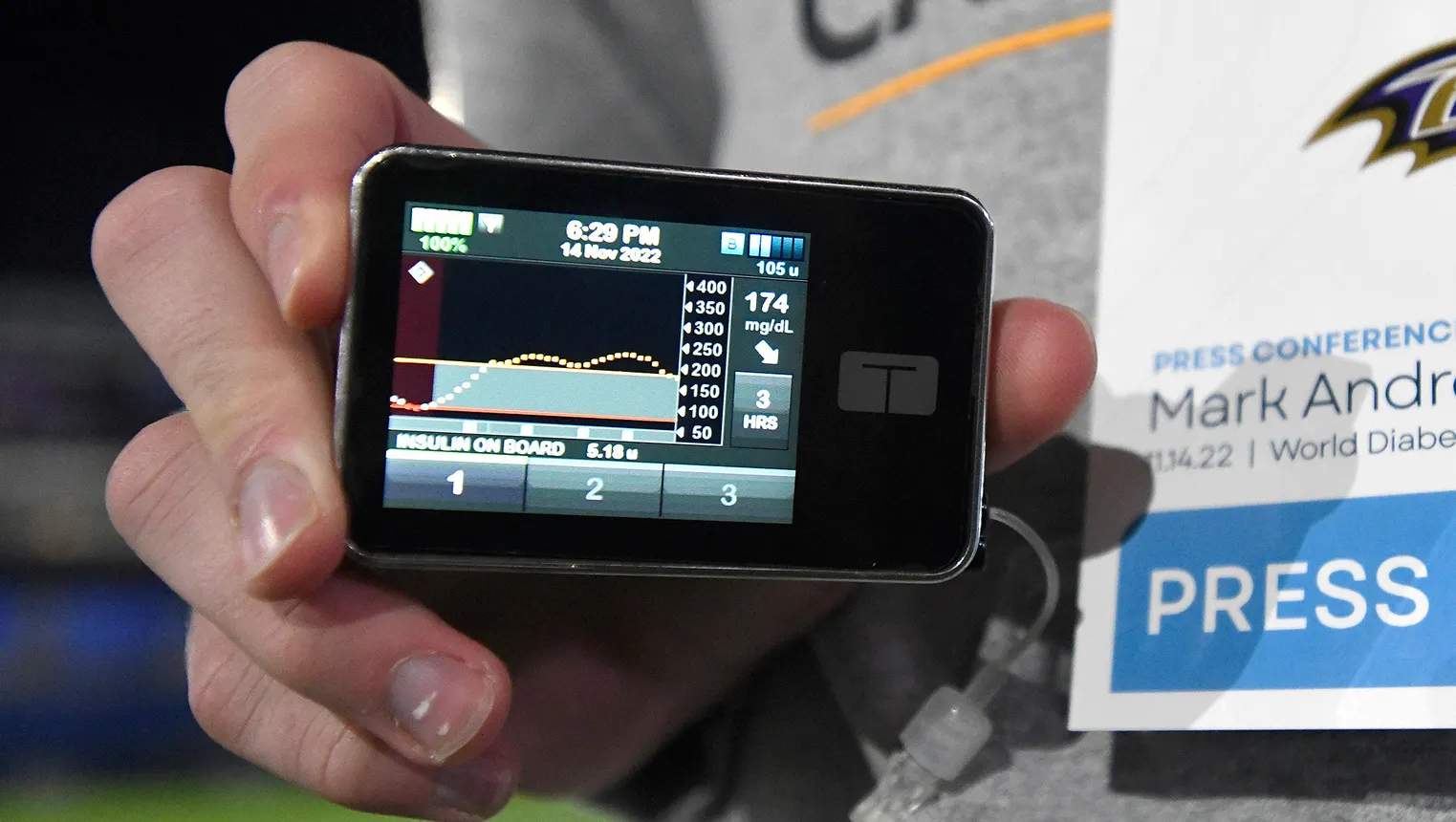
Balancing accuracy, automation and autonomy
One of the challenges in developing a system that doesn’t require meal announcements is that some prediction is required. People with diabetes take rapid-acting insulin ahead of a meal so that the insulin is active when the body begins to digest carbohydrates.
In systems without a meal announcement, the algorithm has to detect the meal and give the right amount of insulin to get the needed glycemic performance without posing the risk of hypoglycemia, Tandem’s Messer said.
Another factor to consider is how much control people want over their devices. For example, if a person wants to take more control over their device, will they be able to do that? And what do people need to feel confident about a system?
“As much as fully closed loop sounds like a simple solution, I have every confidence that if in five years there are five fully closed loop [devices] out there, none of them are going to look alike,” Messer said.
One of the big questions being studied is how AID systems with no meal announcements compare to diabetes treatment options that are available today.
That performance can vary depending on the meal, the type of carbs and the amount of carbs eaten, said Stanford Medicine’s Lal. As companies ramp up clinical trials, Lal said he wants to see recorded data that would account for actions a person took to avoid low blood sugar to ensure a more aggressive algorithm is not leading to work for people who use the system.
The average person today is late or misses meal boluses, Lal said, adding that this is true of people who take insulin injections or use pumps and AID systems.
“If we can just give that same [insulin bolus] dose within 30 minutes with an algorithm, the reality is that for a lot of us with Type 1, where we are frequently late or miss meal boluses, that can be a big benefit,” Lal said.
Mihail Zilbermint, an endocrinologist at Johns Hopkins Medicine, expects the major benefit will be reducing the mental burden of diabetes. People sometimes just want to take a break. Still, he sees a need for more diabetes education and for patients to have a backup plan if their device stops working or their CGM data isn’t accurate.
Zilbermint said he is waiting for results from large and real-world studies.
“The best system is not the one which will make all the decisions for them,” Zilbermint said. “It’s one that they’re actually going to wear, that they can afford, understand and even troubleshoot if needed.”