Dive Brief:
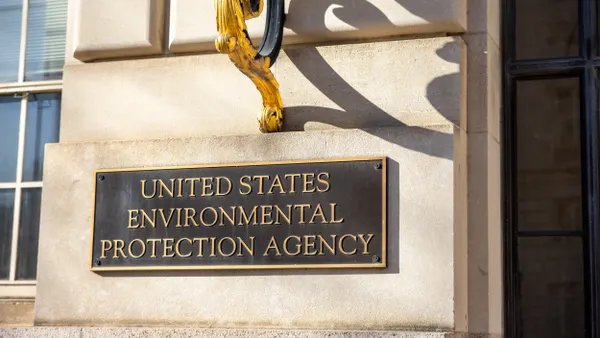
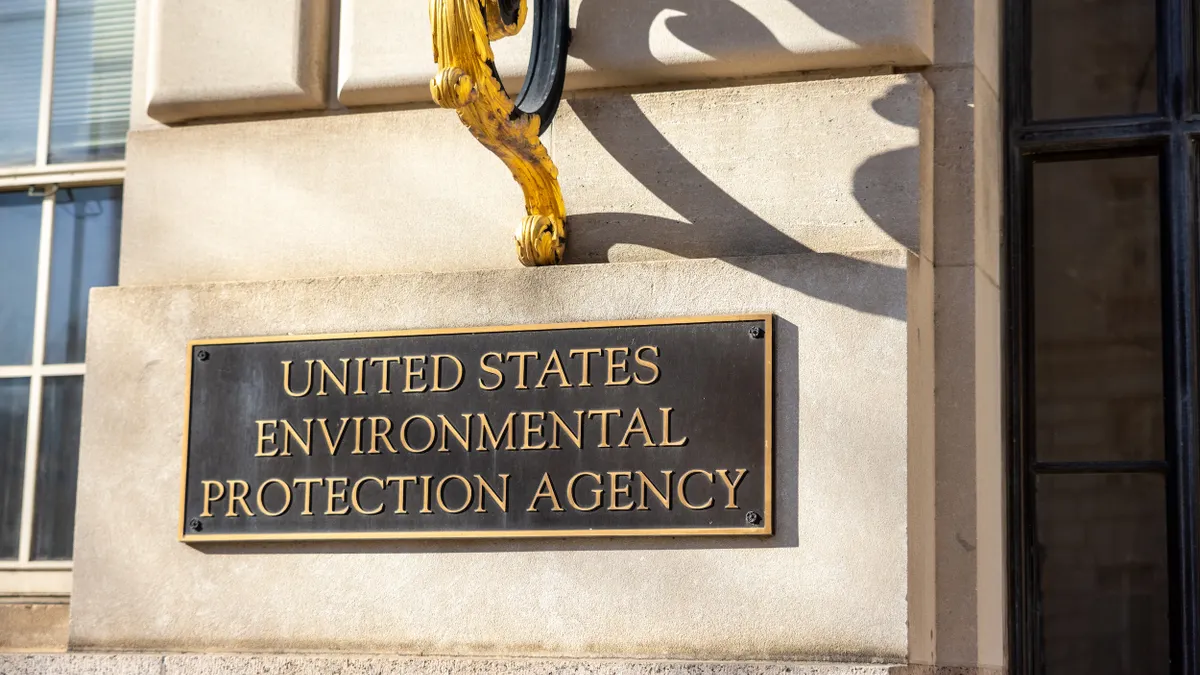
- The Environmental Protection Agency on Friday proposed weaker limits on ethylene oxide, or EtO, a cancer-causing gas used to sterilize medical devices.
- The proposal would make changes to a final rule put in place by the EPA in 2024 to reduce emissions of EtO by 21 tons per year, or cutting emissions from commercial sterilizers by about 90%. The 2024 rule was also expected to reduce the lifetime cancer risk for people who live near sterilization facilities.
- The EPA touted the latest action as safeguarding the supply of medical tools, while public health groups, such as the American Lung Association, warned that short- or long-term exposure to EtO is dangerous to health.
Dive Insight:
EtO is used to sterilize prepackaged surgical kits, catheters and stents, and devices that are sensitive to heat or moisture. About half of all medical devices in the U.S. are sterilized using EtO.
AdvaMed CEO Scott Whitaker said in a statement that the medtech lobbying group has been working with the EPA for years.
“We appreciate the EPA’s efforts in listening to and understanding the importance of supplying safe, sterile medtech without interruption while protecting employees and communities near sterilization facilities,” Whitaker added.
However, Laura Kate Bender, vice president of nationwide advocacy and public policy for the American Lung Association, warned that people who live near many commercial sterilization facilities are much more likely to develop cancer over their lifetimes.
“No one should have to live with elevated cancer risk because of air pollution in their community,” Bender said in a statement.
Concerns about cancer risk and medical device supply have been part of the discussion around EtO for years. After medtech lobbying groups warned about the potential for device shortages, the EPA made changes to the 2024 rule including a longer timeline for compliance.
The 2024 rule tightened emissions standards for sterilization facilities that use EtO, including adding standards for building leaks and chamber exhaust vents, which previously weren’t regulated.
The Trump administration has paused enforcement of the new emissions standards. In July, President Donald Trump issued a proclamation pushing back the new emissions standards by two years. That approach was challenged in a lawsuit filed in January by environmental groups including the Southern Environmental Law Center and the National Resources Defense Council.
The EPA said its proposed rule would give facilities the choice between installing a new monitoring system or making adjustments to the 2024 standards for new aeration room vents where EtO is greater than 10 tons per year.
The EPA estimated the proposal would save about $43 million per year, although the agency no longer considers the cost to human health from pollution in its estimates. The agency said there are currently about 90 commercial sterilization facilities in the U.S. owned by about 50 companies. The EPA will accept public comments for 45 days.