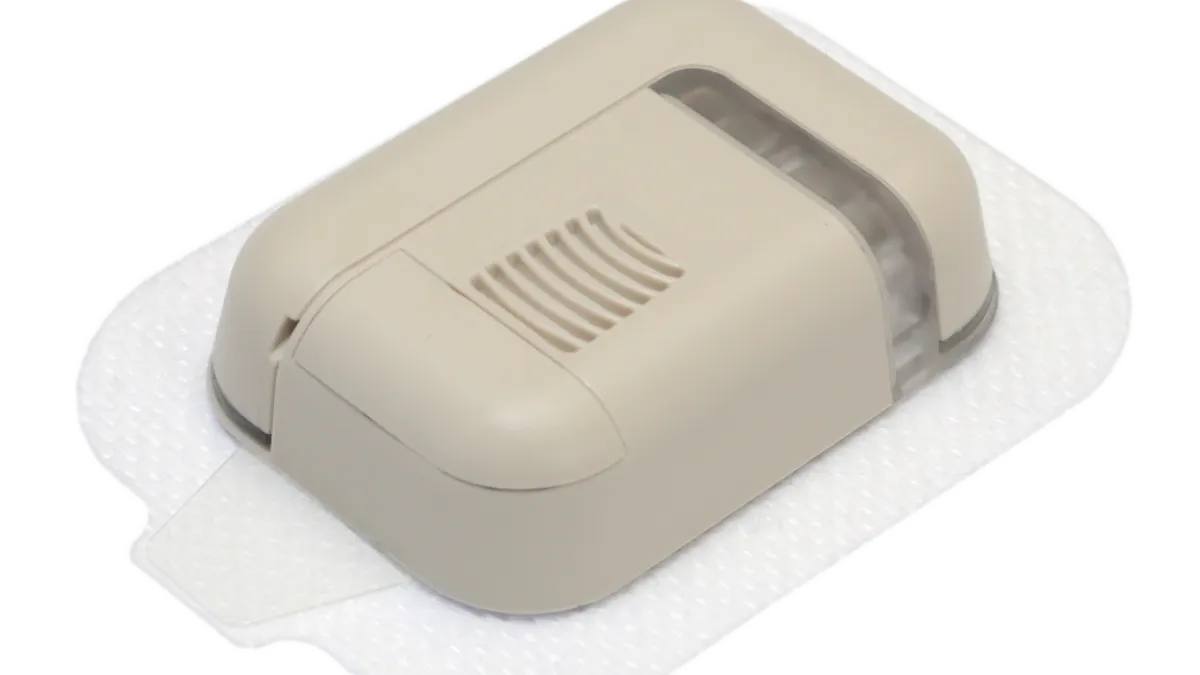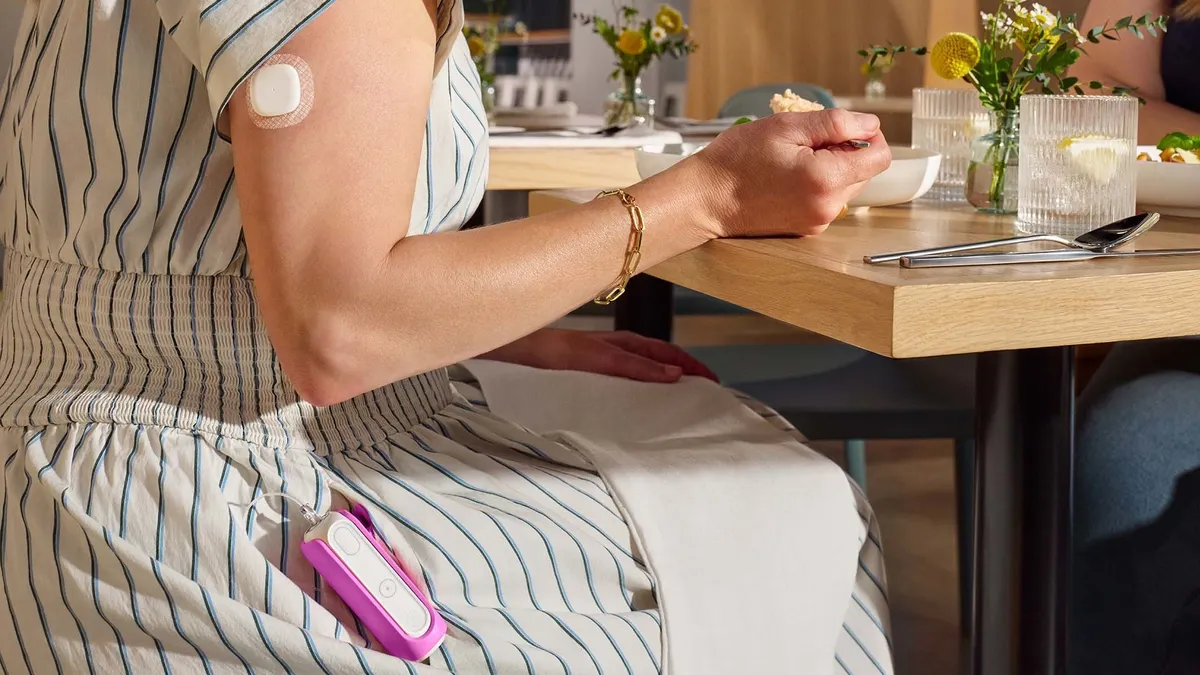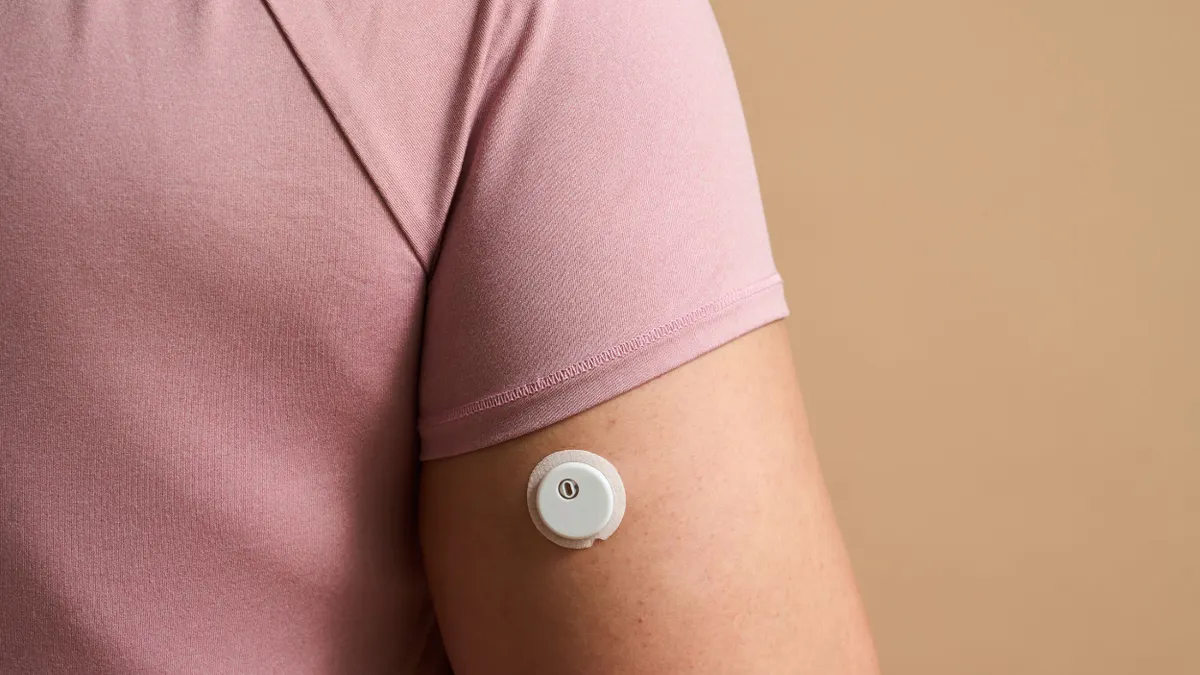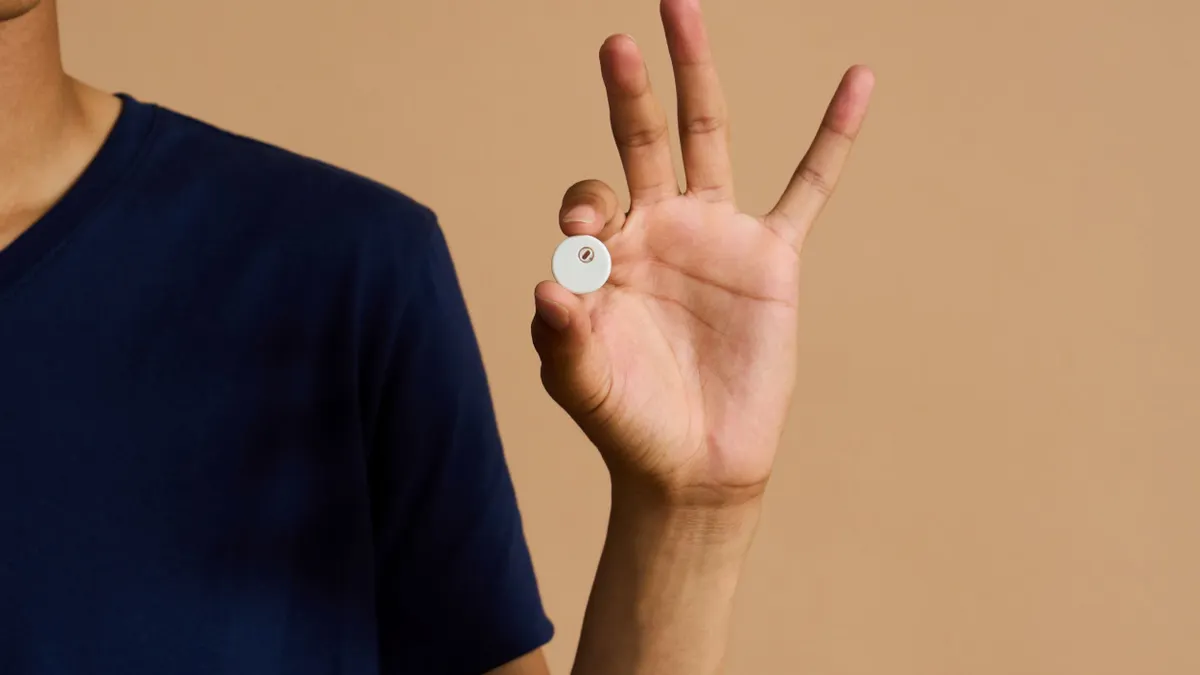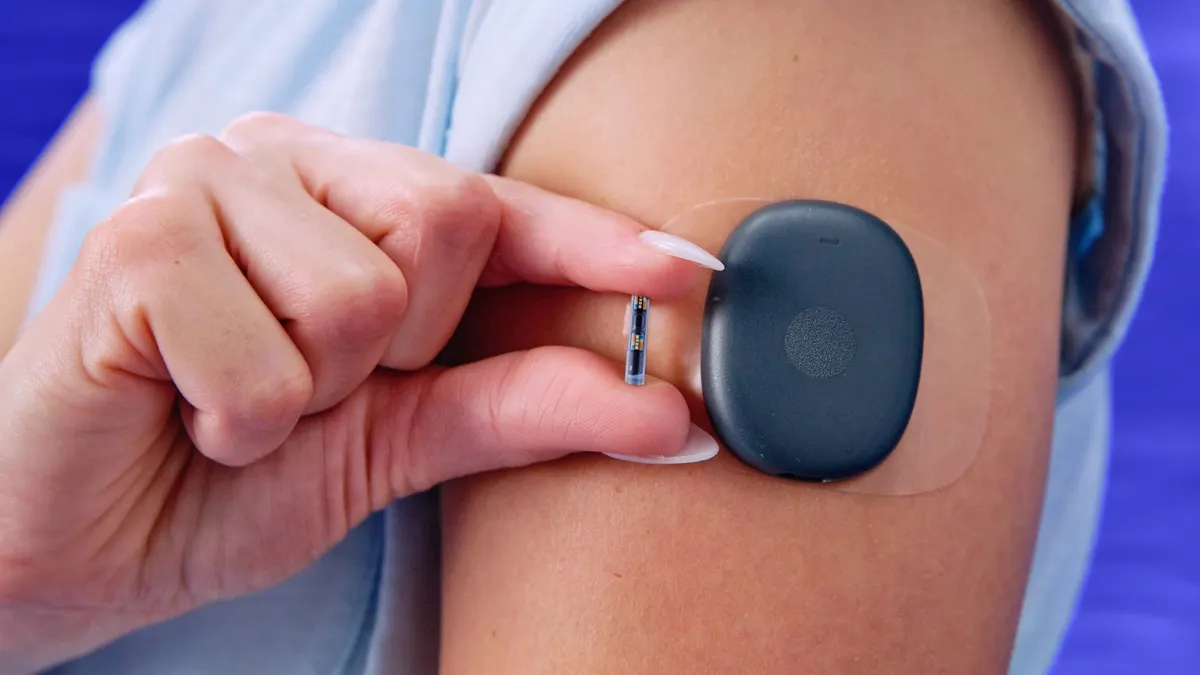
Senseonics, a company that makes a continuous glucose monitor that can be implanted for a year, is undergoing major changes. The diabetes tech firm is bringing in commercial teams in a bid to accelerate growth and has several updates planned down the line for its flagship device, the Eversense 365 CGM.
Senseonics reached an agreement with Ascensia Diabetes Care last year to take over commercialization and distribution of its implantable glucose sensor. While Senseonics makes its Eversense 365 CGM, Ascensia has had exclusive global distribution rights since 2020. Starting in January, Senseonics took over responsibility for U.S. sales and marketing, and the company finished the transition of its European commercial business in June.
At the same time, the company posted a record second quarter, more than doubling its revenue to $14.5 million.
Senseonics CEO Tim Goodnow and CFO Rick Sullivan talked about how the sales transition is going and what’s next for the company.
Editor’s note: This interview has been edited for length and clarity.
MEDTECH DIVE: What new sensor technologies are you working on?
TIM GOODNOW: We’re now approaching the ultimate culmination of all of the technologies coming together to enable us to have an invisible diabetes device.
When we commit to folks that they’re going to insert a sensor, it’s really important that it lasts a year. If you get a transcutaneous sensor, and it were to come off due to adhesive or whatever dynamic, it’s painful but it can be replaced. An implanted product you can’t do that.
If an alarm goes off at night that says you’re to be [hypoglycemic], it needs to really be hypo. We’ve worked on that significantly as well.
We have one big step to go. Right now, we have powering on the outside and Bluetooth on the outside. We’re moving away from that so you can have a full implant of a tiny sensor and it [will] be able to last for a full year but communicate right to your phone. That’s where we’re headed.
Now that you’ve had Eversense 365 on the market for more than a year, what kind of feedback are you seeing? Are you getting people who are new to CGMs or switching from another device?
GOODNOW: It's almost all switchers. About 90% of our product is coming from folks who have experience with [CGM]. It’s in patients who are looking for more independence. We have a lot of emphasis in Medicare patients. Those tend to be people who have Type 2 diabetes. They’re looking for a CGM where you don’t have to deal with the hassle factor of a 10- to 14-day sensor. They don’t have to change it. They don’t have to deal with it if it comes off.
We’ve also done very well in younger, more active clients. They’re looking for a sensor where they don’t have to worry about what happens if the adhesive comes off. If I sweat a lot? If I like to exercise? If I want to swim?
We see a very good distribution across all ages, with a little bit of emphasis for older and younger patients.
How has your commercial integration been going?
RICK SULLIVAN: The past five years, we’ve had a commercial relationship with Ascensia Diabetes, a subsidiary of PHC Holdings, a Japanese corporation. It was a revenue sharing arrangement. Senseonics was really focused on the design, development and manufacturing of the Eversense products, whereas Ascensia did all of the commercialization efforts [globally], the marketing, sales reps calling on endocrinologists' offices. That agreement ended Dec. 31 [last year], so beginning Jan. 1, we’ve integrated the commercial organization back to Senseonics.
We had about 125 employees on Dec. 31, and on Jan. 1, we added another 150 from Ascensia. They all came over from that commercial organization — the leadership, the marketing team, all of the sales reps — and continued to drive Eversense 365 inside the U.S.
Outside the U.S., it was a little bit different. There were four European countries that we continued to commercialize in: Italy, Germany, Spain and Sweden. We had to set up our own subsidiaries. We started onboarding in April our own dedicated sales force, and then June 1, we transitioned over all of the Ascensia employees. Now that is complete, and all of the European commercialization is under Senseonics as well.
That’s extremely helpful in a lot of ways. The way that we’re able to collaborate with the R&D teams and the commercial teams. How quickly we can make changes and execute. It eliminates a pretty big layer of bureaucracy and reporting, and we're just faster and more nimble. And then from a financial perspective, there's no longer a distributor margin for Ascensia. So we recognize more revenue on every sensor that we sell, and that drops down right to our gross profit margins, which have been improving.
What went into the decision to end the agreement with Ascensia?
SULLIVAN: It really gives us the opportunity to control our own destiny, being a fully integrated business. With not only the design, development and manufacturing of Eversense, but also that full commercialization. So it was really to be a single business.
Some competitors are working on multi-analyte sensors, such as glucose-ketone sensors. Are you thinking about that?
GOODNOW: We have looked at it. We did architect the sensor to be a multi-analyte system. We actually, in our history, sold about a million dollars worth of oxygen sensing. But in all honesty, the opportunity for glucose is just so much bigger. It’s a $14 billion market that’s still growing. As a smaller entrant, it's very important we stay focused on glucose.
Your competitors are expecting Medicare to expand coverage of CGMs to people with Type 2 diabetes who don’t take insulin. Is that something you’re watching, too?
GOODNOW: The clinical results are clear. You put anybody on a CGM that is managing diabetes, or even pre-diabetes, the CGM will help them. The population expands significantly, which is why there's so much interest in Abbott and Dexcom, the big guys, right? Because they want to expand the market. We do too.
This helps them significantly, and you've seen them both play DTC [direct-to-consumer] solutions for people who are in pre-diabetes. But that will continue to be a small segment until the reimbursement is there, and it really does start with Medicare.
So the expectation, given the clinical results, is that Medicare will support continuous glucose monitoring for people who are not yet on insulin. When that happens, that opens up the market for frankly all of us that are approved CGM players.