
The United States will impose a 25% tariff on a narrow range of semiconductor imports, beginning Jan. 15, according to a proclamation signed by President Donald Trump.
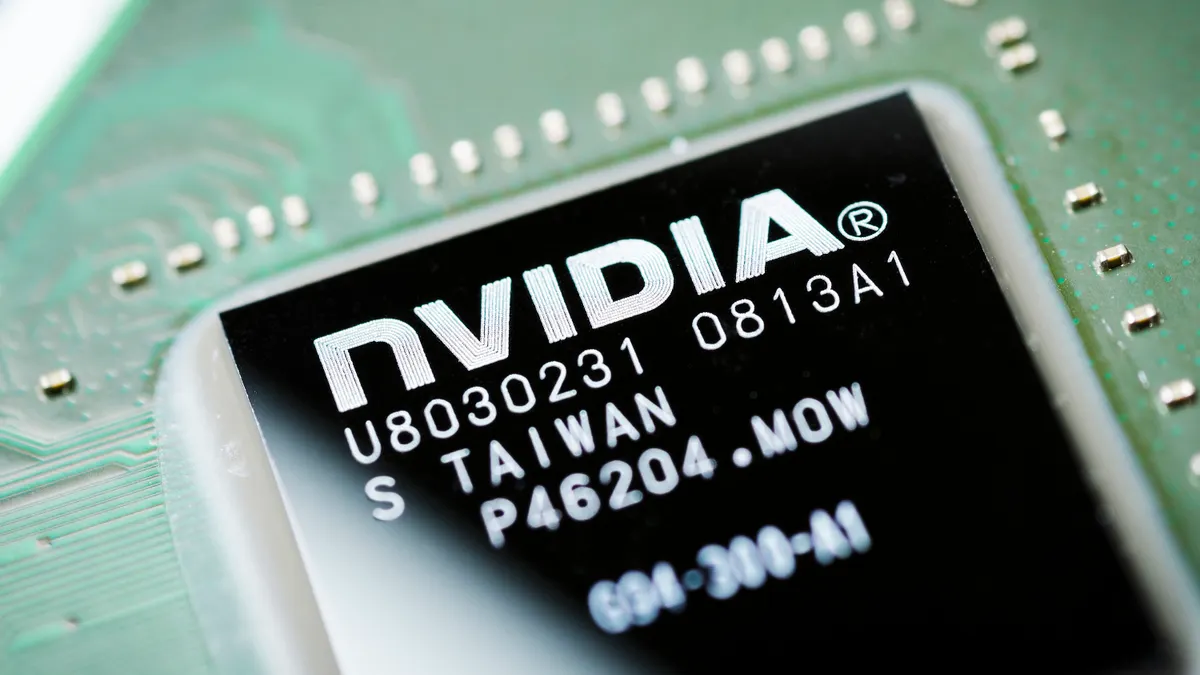
The levies will primarily cover advanced computing chips, including the Nvidia H200 and the AMD MI325X, per a White House fact sheet.
However, the tariff will not apply to chips imported to support the buildout of the U.S. technology supply chain or to bolster domestic manufacturing capacity for derivatives of semiconductors. This includes semiconductors and derivative products imported for use in data centers, research and development, and non-data center consumer applications, the order says.
In addition to those exemptions, the order clarifies that the duties on semiconductors will not stack on existing levies, including Trump’s global reciprocal tariff regime and levies on goods from Canada and Mexico tied to drug trafficking, per the order.
The proclamation also instructs cabinet officials to pursue or continue pursuing negotiations with trading partners to address semiconductor imports. Trump further ordered officials to provide an update on negotiations and the market for semiconductors used in data centers by July 1.
Depending on those reports, the president may issue “significant” additional tariffs and a potential tariff offset program to encourage domestic manufacturing, according to the order.
In tandem with the semiconductor order, the Trump administration delivered an update on its review of processed critical mineral imports. In a separate proclamation, Trump instructed cabinet officials to pursue trade agreement negotiations related to the import of processed critical minerals and derivative products to protect national security by ensuring adequate supply and mitigating supply chain vulnerabilities as quickly as possible.
“It’s no secret we need more resilient supply chains for critical minerals,” U.S. Trade Representative Jamieson Greer said in an emailed statement. “By negotiating with interested parties to create an economically viable market for critical minerals, we can promote demand for and boost the supply of critical minerals at home and with partner countries.”
While the proclamation falls short of issuing tariffs, it directs officials to provide an update on negotiations within 180 days to determine if the administration should take additional steps, including implementing levies, import restrictions or minimum import prices.
The proclamations stem from separate Section 232 investigations into semiconductor and processed critical mineral imports to assess their impacts on national security. The probes, conducted by the Commerce Department, also covered derivative products and semiconductor manufacturing equipment. Similar investigations into goods such as steel and cars have led to levies.