Dive Brief:
- Medtronic has recalled a pH monitoring capsule over a risk linked to 184 serious injuries, the Food and Drug Administration said Thursday.
- The recall, which the FDA communicated in an early alert notice, affects Bravo CF capsules that pose risks including perforation of the esophagus, obstruction of the airway and blood loss.
- Medtronic withdrew a subset of the newly recalled Bravo CF lots last year. The FDA said the same failures triggered both recalls, but the underlying causes of the problems are different.
Dive Insight:
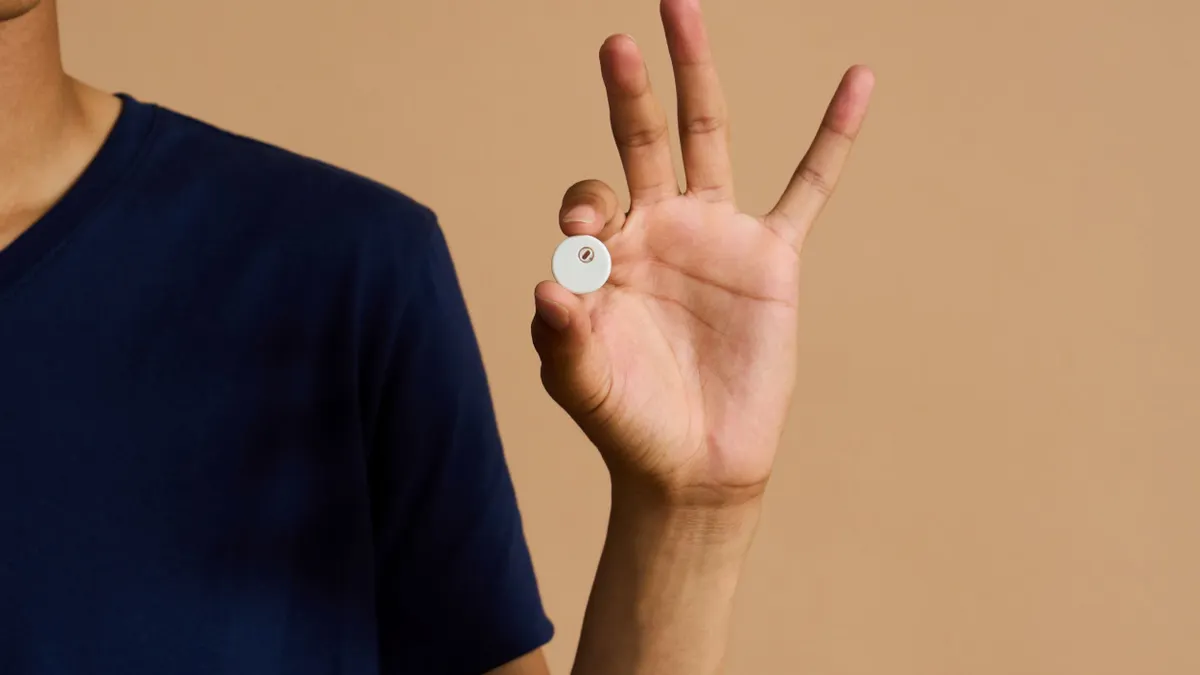
Physicians use the Bravo system to attach a pH monitoring capsule to the esophagus. Once in place, the capsule records pH data to help physicians diagnose clinical gastroesophageal reflux. Medtronic sells the device through its Given Imaging subsidiary. Covidien, now part of Medtronic, acquired Given Imaging for about $860 million in 2014.
Bravo CF capsules covered by the recall may fail to attach to the patient’s esophagus or to detach from the delivery device as intended. The failures could be caused by a problem with the component that controls the deployment of the capsule. That problem may be exacerbated if the healthcare professional fails to keep the delivery device straight, as instructed in the user guide, Medtronic said.
Attachment and detachment failures pose a range of risks. The FDA named laceration of the esophagus, a delay in diagnosis and foreign bodies remaining in the patient among the potential harms. As of Aug. 10, Medtronic had received reports of 184 serious injuries and no deaths associated with the issue.
Medtronic had received 33 reports of serious injuries when it recalled Bravo devices in June 2025. The earlier recall also related to the failure of the capsule to attach to the patient’s esophagus or detach from the delivery device. However, on that occasion, the fault stemmed from the misapplication of adhesive during manufacturing of the delivery device, rather than a problem with the deployment component.
Early this month, Medtronic wrote to customers about the latest recall. The company told customers to identify, quarantine and return all unused affected devices. Lots with an expiration date on or after Dec. 10, 2027, are unaffected by the recall.