Dive Brief:
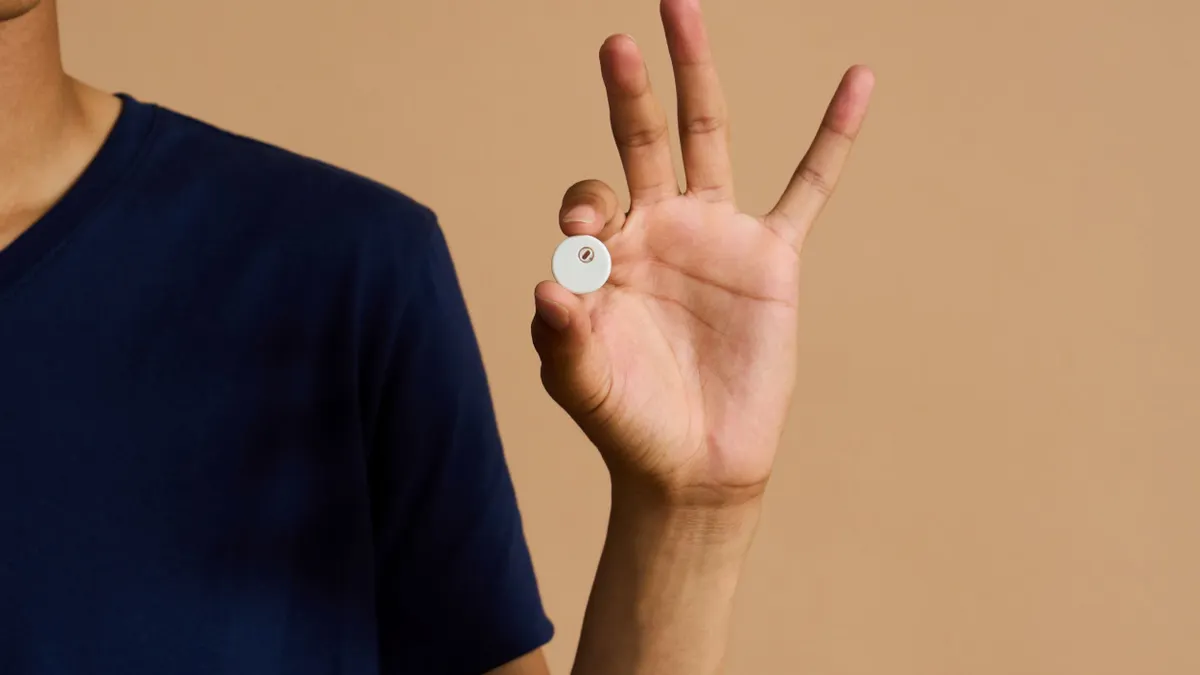
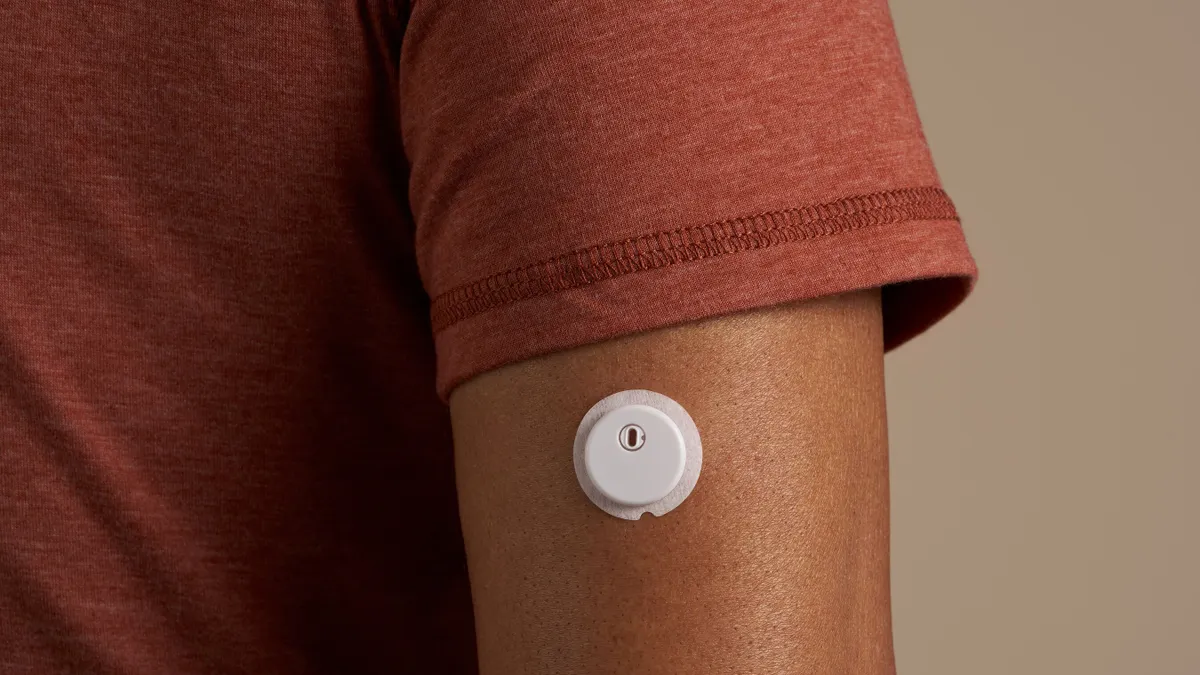
- Abbott has received Europe’s CE mark for the first dual-analyte sensor that can measure both glucose and ketones, the company said Wednesday.
- The technology is intended to help people manage diabetes and detect rising ketone levels, which can be a warning sign of diabetic ketoacidosis, a life-threatening health condition caused by lack of insulin.
- Abbott plans to launch the systems, branded as Libre Duo and Libre Duo 10 Day, in some European countries this year. Libre Duo has a 15-day wear time and is for adults aged 18 and older, while the 10-day device is for people aged two and older.
Dive Insight:
Abbott CEO Robert Ford first mentioned plans for sensors that can track multiple signals — such as glucose, ketones and lactate — in a presentation at the Consumer Electronics Show in 2022.
With a CE mark, Abbott will be able to start marketing its dual-analyte sensor in Europe. The system is also under review by the Food and Drug Administration in the U.S. Ford told investors in April that the company expects approval in the second half of the year.
Libre Duo will allow people to continuously monitor both glucose and ketones, removing the need for traditional blood or urine tests typically used to check ketone levels. People with diabetes are recommended to test for ketones during periods of illness, when the body can release hormones that raise blood sugar levels.
Early signs of diabetic ketoacidosis, such as nausea or fatigue, can be mistaken for other illnesses, delaying recognition and treatment, Abbott said. More than four times as many people were hospitalized for hyperglycemic crises than hypoglycemia in 2021, according to the Centers for Disease Control and Prevention.
Abbott said users will be able to share glucose and ketone data with caregivers and healthcare providers. The company is also working with pump makers to allow automated insulin delivery systems to connect to its Libre Duo devices.
The authorization follows efforts by key stakeholders, such as nonprofit Breakthrough T1D, to develop best practices for continuous ketone monitoring. Competitor Dexcom has also talked about dual-analyte sensing, although plans for continuous ketone monitoring are further out, company leaders said at an investor day earlier this month. Dexcom instead plans to focus on glucose and potassium to support people with diabetes and chronic kidney disease.