Abbott’s recent regulatory authorization in Europe for a dual-analyte sensor has sparked a debate about the benefits and challenges of the new technology.
Medtech firms are working on sensors that can measure ketones, lactate, potassium and other analytes. While proponents of the technology say it can be used to better manage diabetes and other health conditions, there are still many unanswered questions about what to do with the influx of new data.
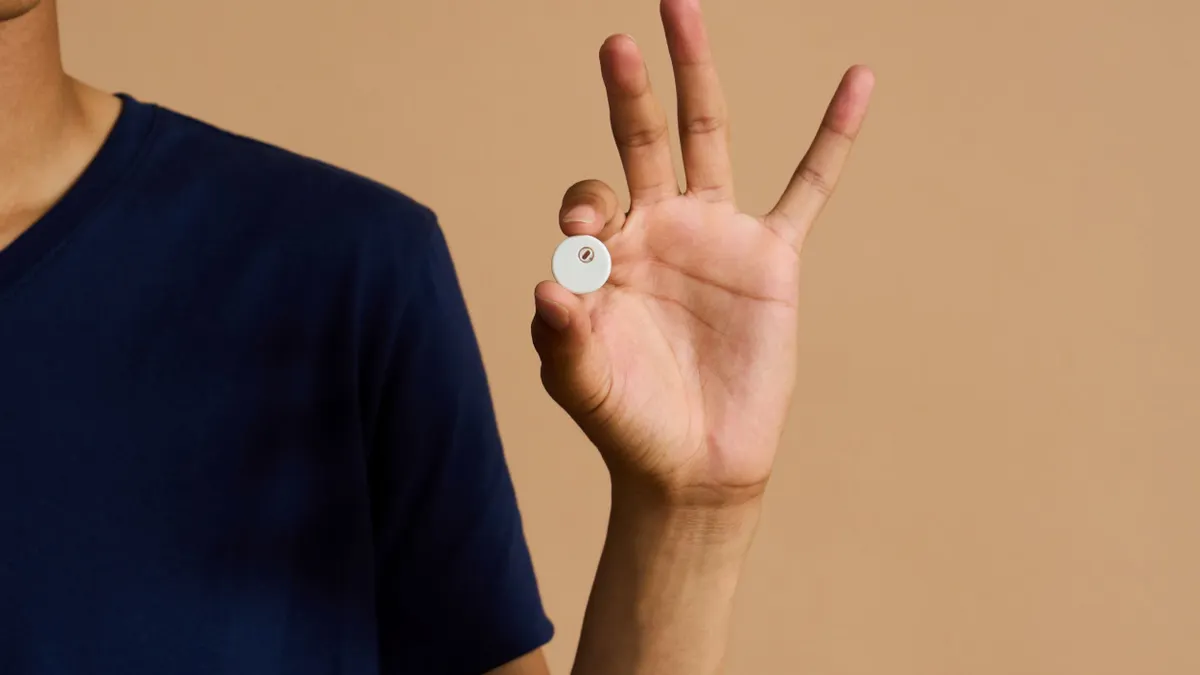
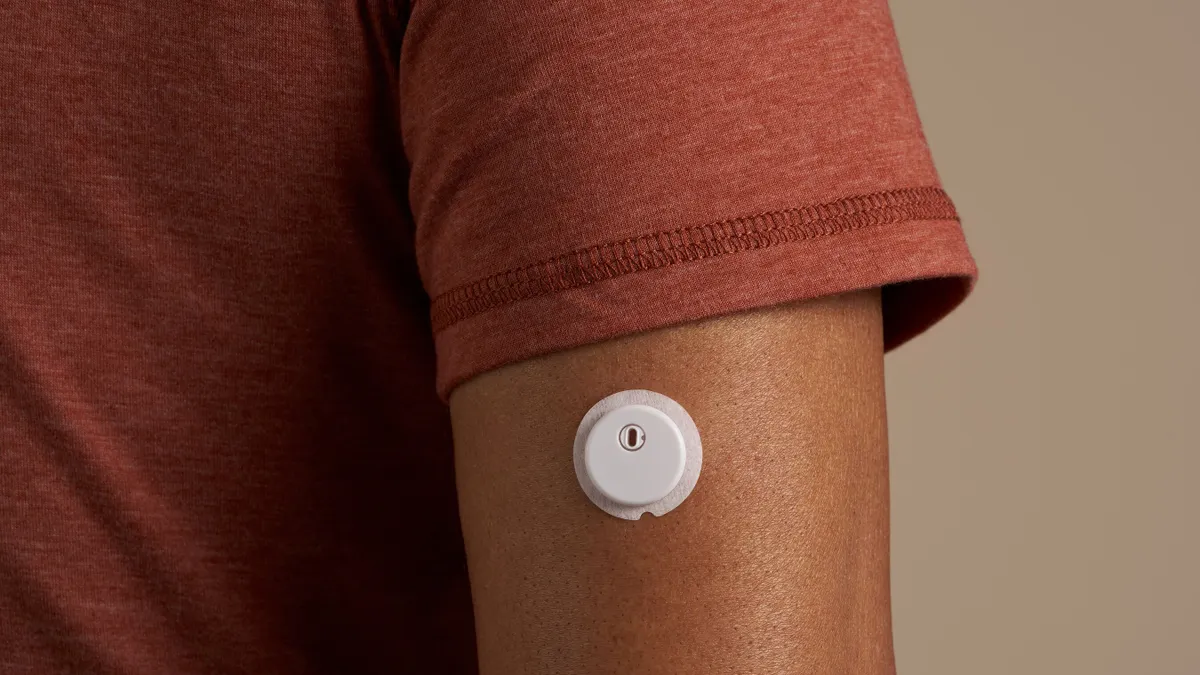
Abbott’s new device, called Libre Duo, continuously measures both glucose and ketones. The capability is intended to detect rising ketone levels, which can be a sign of diabetic ketoacidosis, or DKA, a serious health condition caused by lack of insulin. Abbott plans to launch the new device in some countries in Europe later this year and has filed a submission with the Food and Drug Administration.
Typically, people test for rising ketones using urine test strips or blood ketone meters, but the condition can go undetected until it progresses to a medical emergency, Alisa Schiffman, Abbott’s senior medical director, wrote in an emailed statement. The symptoms of DKA, which include nausea, abdominal pain and thirst, can be mistaken for food poisoning or flu. Schiffman hopes that Abbott’s new device will help reduce DKA-related events by working in the background to detect rising ketones.
“Used in conjunction with guidance from their healthcare provider, they’ll be able to interpret their high ketone levels and take action when needed and potentially reduce their risk for DKA,” Schiffman wrote.
Dexcom, another leader in the continuous glucose monitoring, or CGM, market, has also discussed plans for a multi-analyte device, but is taking a different approach than Abbott. While Dexcom CEO Jake Leach sees value in ketone monitoring, he plans for the company’s first multi-analyte device to measure glucose and potassium, which could support people with diabetes and chronic kidney disease. Leach told investors last month that Dexcom plans to add the feature after the launch of its next device in 2027 or 2028.
Smaller companies also plan foray into multi-analyte sensors
Several smaller competitors in the CGM space are also developing multi-analyte devices.
PercuSense, a company looking to track glucose, lactate, ketones and tissue oxygen in one device, has been focusing on this approach from the beginning. Rajiv Shah, who previously worked at Medtronic's diabetes business, started the company in 2016.
“Right then and there, I knew fundamentally that we were going to multi-analyte,” Shah said.
The company is starting two studies of its technology this summer focused on Type 1 diabetes and funded by Helmsley Charitable Trust, CEO Brian Kannard said.
One of the studies will test the system in an intensive care unit setting, where a portion of people admitted will have DKA. The study will test the performance and accuracy of the sensor.
A second study will take place in an outpatient setting, testing the accuracy of the device against reference measurements in people with diabetes who are taking insulin.
Kannard said PercuSense is focusing on these four metrics because they can provide a more detailed picture of metabolic health. Markers like lactate and oxygen can also help determine the best time to deliver insulin.
After the studies, PercuSense plans to speak with clinicians about the best way to present this data to users, Shah said. The company intends to use software to help alert people without inundating them with information.
“People with diabetes understand glucose pretty well, and even that is overwhelming just with CGM,” Kannard said, adding that the company envisions using these metrics primarily to deliver insights and outcomes.
Biolinq, a diabetes tech firm that received the FDA’s de novo authorization for a CGM last year, also plans to add additional analytes in the future. Biolinq’s sensor, called Biolinq Shine, is for people with Type 2 diabetes who don’t take insulin. The sensor sits in the skin, rather than inserting a filament into the interstitial fluid beneath it.
Currently, the device can track glucose, activity and sleep data. Biolinq plans to launch the CGM in the second half of the year, CEO Rich Yang said.
Biolinq recently shared the results of the study it used to get de novo authorization, and a poster on a continuous lactate sensor. Yang sees value in lactate as elevated levels can be a precursor to insulin resistance, and the measurement can also help athletes with training.
“There has never been a continuous lactate sensor approved by the FDA,” Yang said.
The CEO added that lactate is one of the most important markers Biolinq is planning to bring to market. The company is also considering other measures such as ketones and cortisol.
Yang said the design of Biolinq’s device lends itself to multiple analytes.
“We're sitting at the best possible place to be able to measure these things,” he said.