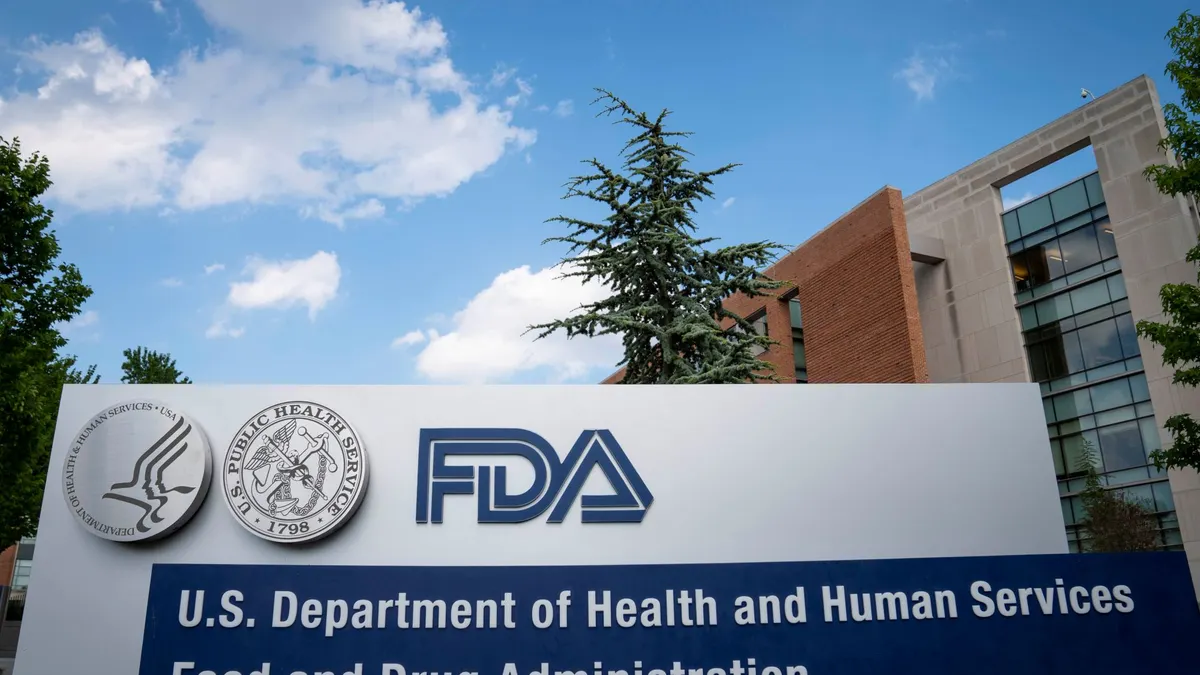
In the first half of 2026, the Food and Drug Administration has authorized more medical devices than in the same period last year. However, submissions are taking longer to approve, according to an analysis of FDA data from BTIG.
Original premarket approvals, the FDA’s most stringent evaluation of high risk medical devices, are trending ahead of last year, but the timing to approval is “substantially longer,” BTIG analyst Ryan Zimmerman wrote Monday in a research note.
The average time to premarket approval increased to nearly 599 days in the first half, compared with about 402 days last year. A few outliers drove this timeframe up, according to BTIG. In total, the FDA approved 23 devices via the pathway through June, an increase of 10 from this time last year.
Premarket approvals are taking longer in 2026
The average time for 510(k) clearance, which is the most used pathway, also increased, although not as dramatically. The average time to clearance increased by seven or eight days, for an average of roughly 156 days to decision in the first half of 2026.
The average time to 510(k) clearance increased in 2026
The number of devices cleared by the FDA is trending up 2.5% year over year, assuming the current pace continues, with a total of 1,669 510(k)s granted through June.
The agency granted 14 de novo classifications in the first half, in line with last year. However, the time to approval increased just over 8%.
Finally, panel track approvals, which are supplements for significant changes in a device’s design or new indications for use, increased nearly 17% in the first half. Although, the average number of days to approval also increased by 6.5%.
Zimmerman wrote that the increase in authorizations was encouraging, but for many people in the medical device industry, and smaller companies in particular, “the timing to approval carries more importance in terms of the implications of capital runway and demand forecasting.”
The report comes as the FDA is looking to hire more than 2,000 new staff after cutting more than 3,000 roles last year. Those who remained at the FDA’s device center have been grappling with heavy workloads and attrition, according to reporting from MedTech Dive.