Dive Brief:
- Johnson & Johnson has started a head-to-head clinical trial comparing its pulsed field ablation platform to Boston Scientific’s rival system.
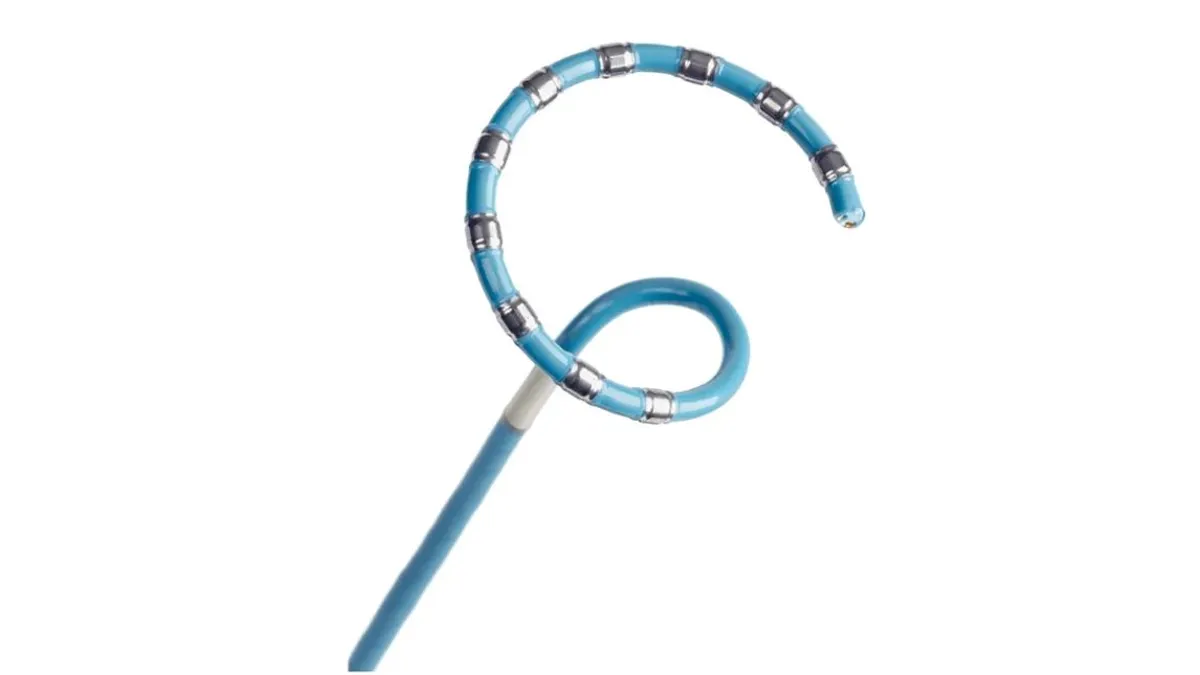
- The study, disclosed Friday, will compare J&J’s Varipulse Pro platform and Boston Scientific’s Farapulse PFA system in up to 466 people with persistent atrial fibrillation.
- J&J, which entered the PFA market after Boston Scientific and Medtronic, suffered an early setback when safety concerns triggered a pause in U.S. use of the original Varipulse system.
Dive Insight:
J&J has a large electrophysiology business that could be threatened by the rise of PFA. The company said competitive pressures in PFA partially offset growth in other parts of the business in the fourth quarter of 2025, although it named Varipulse as a driver of the 12.6% electrophysiology growth reported in the first quarter of 2026.
Boston Scientific is a cause of the competitive pressures felt by J&J, with the company reporting rapid electrophysiology growth that exceeded 100% early last year. Farapulse growth subsequently slowed as competition increased, but Boston Scientific remains a major player in the PFA market.
J&J’s head-to-head study could ease its pressures and increase the pressure on Boston Scientific, although the trial could backfire if Farapulse beats Varipulse. The study is comparing the rate of adverse events in the seven days after treatment and freedom from atrial tachyarrhythmia episodes starting on day 61 of the trial.
The Food and Drug Administration has yet to authorize the Varipulse Pro platform studied in the trial. J&J received a CE mark for the platform this month. In its first-quarter results, the company included the platform on a list of products with U.S. approvals and regulatory submissions planned for this year. J&J used a new, faster pulse sequence with Varipulse Pro that it claims makes ablation five times faster.
Comparing Varipulse Pro to Farapulse will help healthcare professionals “better understand how they perform relative to one another and make more informed treatment decisions in daily practice,” Devi Nair, a physician at St. Bernard’s Medical Center and co-national study principal investigator of the trial, said in a statement.