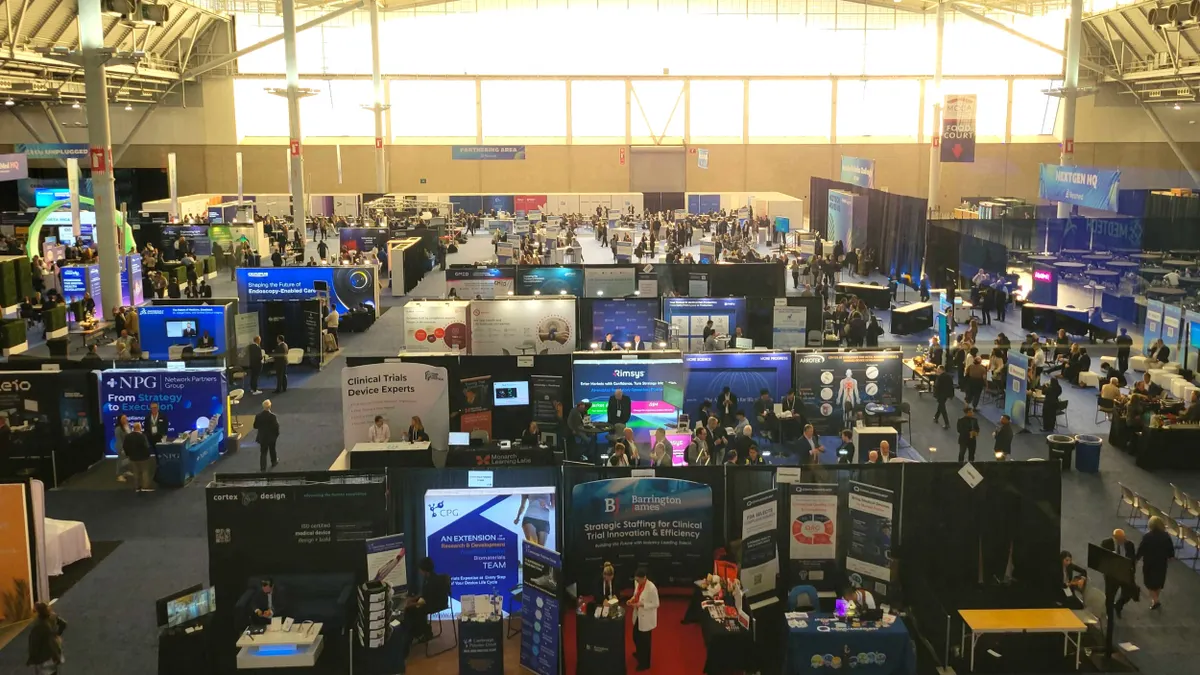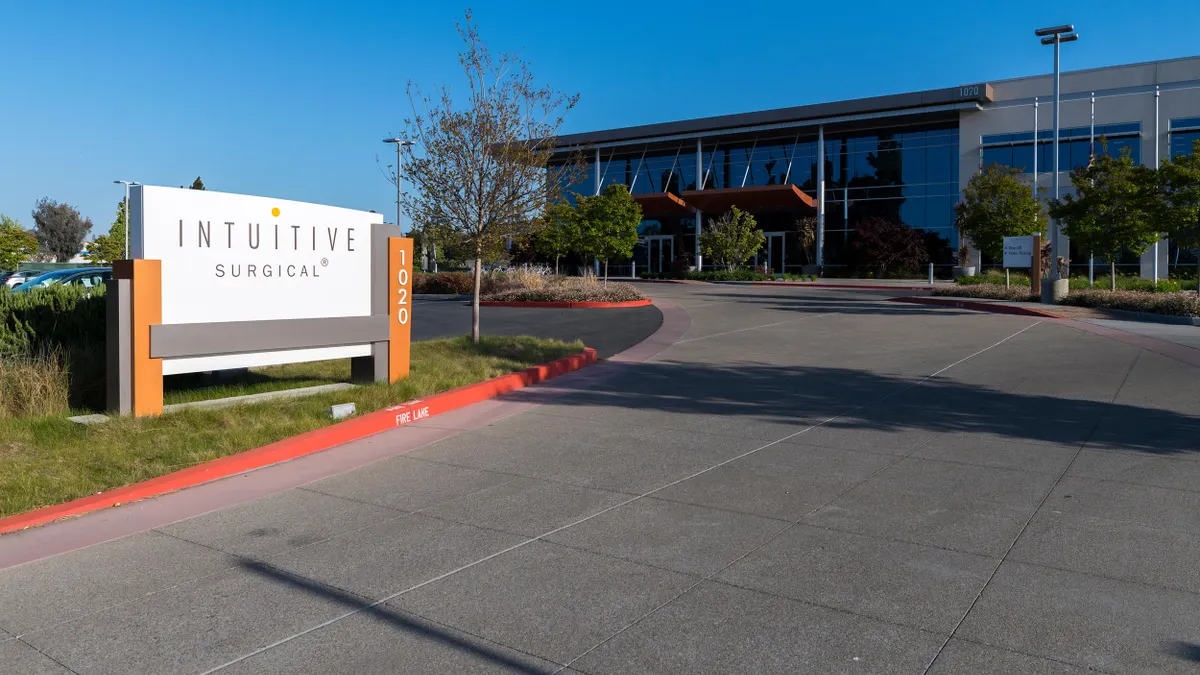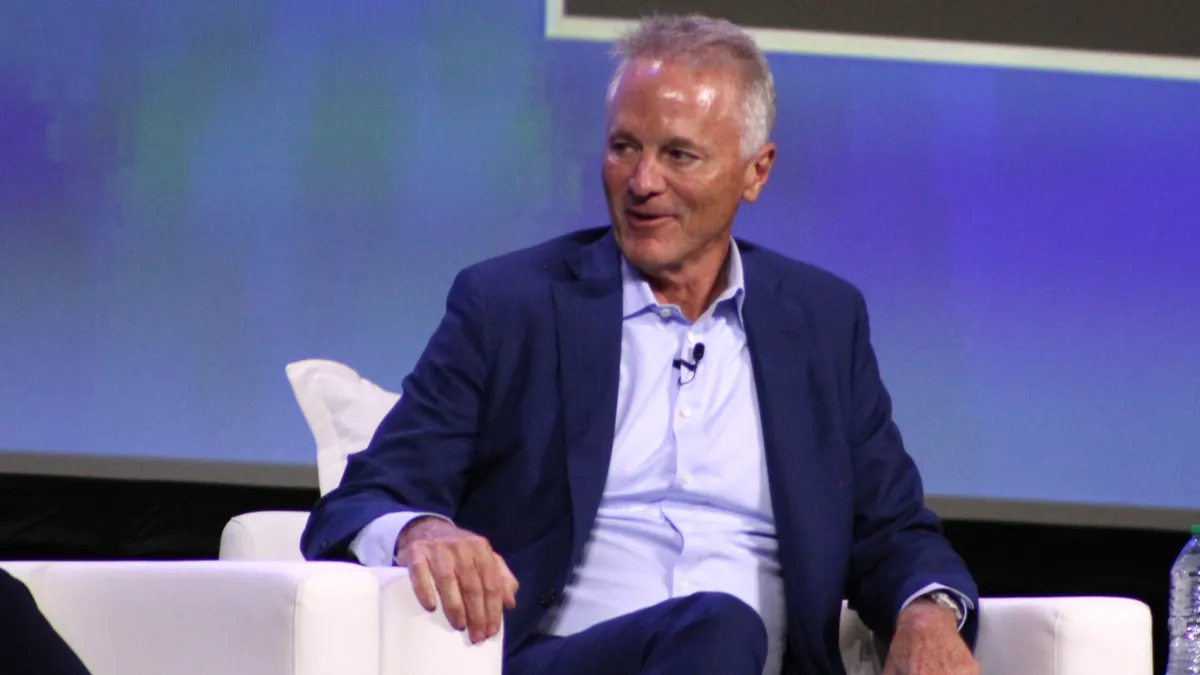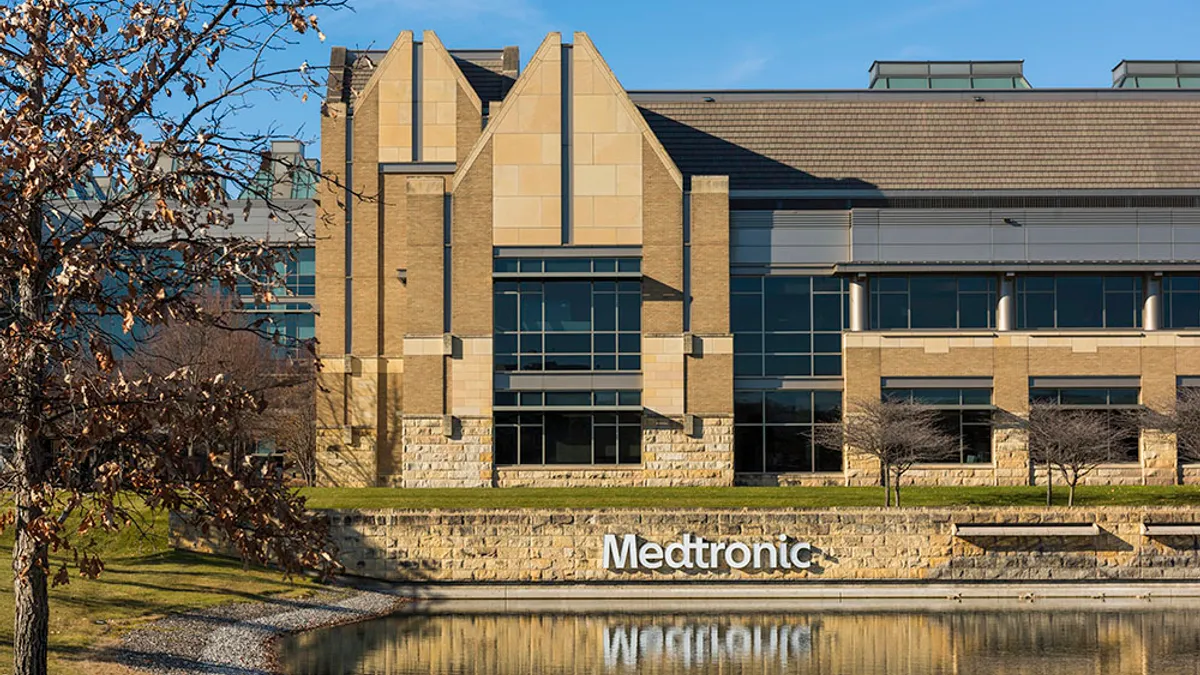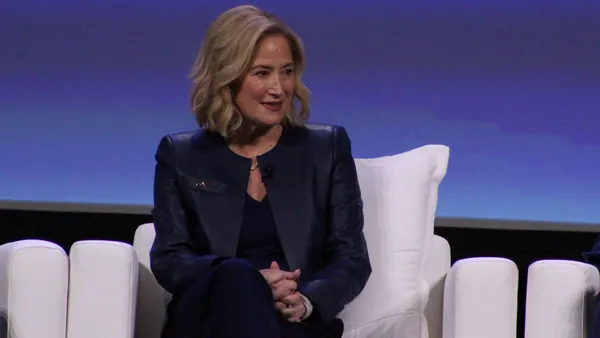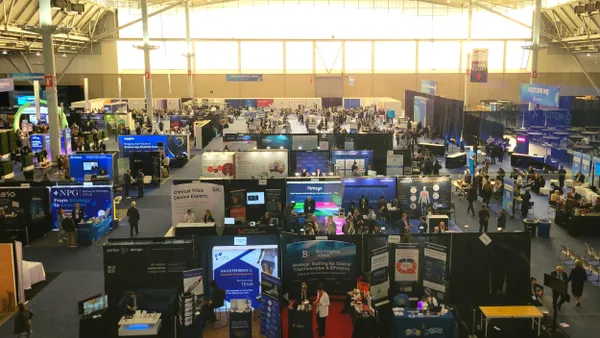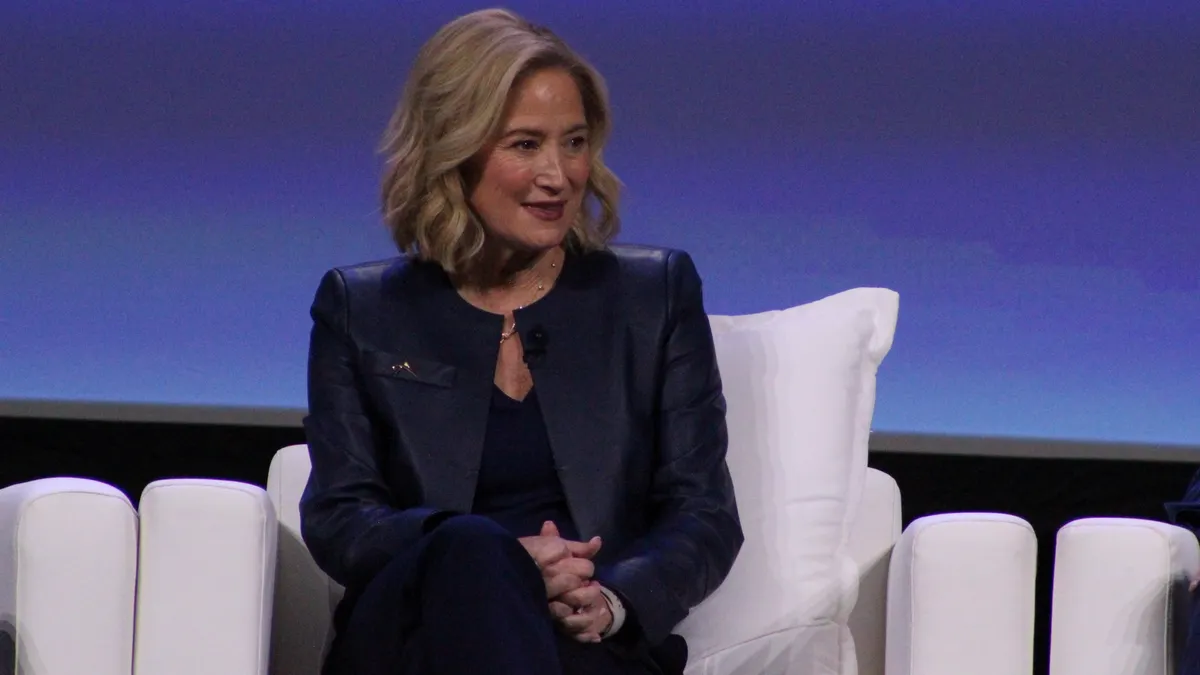
BOSTON — Leaders of medical device firms shared their advice and best practices at AdvaMed’s The MedTech Conference in Boston last week. In keynote speeches and panels, executives with Medtronic, Stryker, Boston Scientific and other companies shared stories about lessons learned and how they got through turbulent times.
Amid rising healthcare expenses, some procedures are shifting to outpatient facilities, such as ambulatory surgery centers, to save on costs. Boston Scientific CEO Mike Mahoney spoke on the evidence needed for more heart procedures to move to ASCs, where orthopedic surgeries, such as hip and knee replacements, have become more commonplace. Mass General Brigham’s CEO also offered a hospital perspective on increasing costs.
Another challenge medical device companies have dealt with this year is cyberattacks, with several high-profile companies, including Stryker, Boston Scientific, and Medtronic, being targeted. Spencer Stiles, Stryker’s chief operating officer and incoming CEO, shared about his experience navigating a cyberattack and how to keep communication lines open.
Finally, medtech leaders discussed navigating a time of economic uncertainty, from how to shore up supply chains to how to lead through a challenging stock market.
Here are some highlights from their discussions:
Medtronic CEO Geoff Martha on keeping procedures simple:
“What's the difference between a toy and something that's scaled? Obviously, the economics matter a lot. But … it has to be simple. You can't break the workflow, and I've learned some hard lessons personally, like adding five minutes to an hour-long case. Man, that's not that bad. Yeah, it is. You know, if you have to break the workflow at all, if you add minutes to a case, if you add stress to a case, even if it gets better clinical outcomes — there's limits, and the physicians, the healthcare staff are just so stretched, so stressed, that simple wins.”
Boston Scientific CEO Mike Mahoney on navigating the shift to outpatient care:
“The ASC is a tremendous patient benefit. It's also a huge benefit to how they can then divert those types of procedures out of the hospitals. They can focus on the most serious and significant procedures.
I would say cardiology is early. You see pacemaker changeouts, you see some interventional cardiology procedures, but recently many of the [pulsed field ablation] procedures have been approved through the outpatient surgery center, which is terrific because the demand for this procedure is very high. …The whole key is, especially for interventional cardiology, you have to prove … referral safety because that's the biggest thing. You're not in the hospital; you're in the ASC, and so the safety profile has to be incredibly high, and the quality has to be incredibly high.”
Stryker Chief Operating Officer and incoming CEO Spencer Stiles on navigating turbulent times:
“During these times of complexity and turbulence, you have to define what's most important to you. It's taking care of your customers, taking care of their patients. … We went through a really hard time earlier this year in a cyberattack.
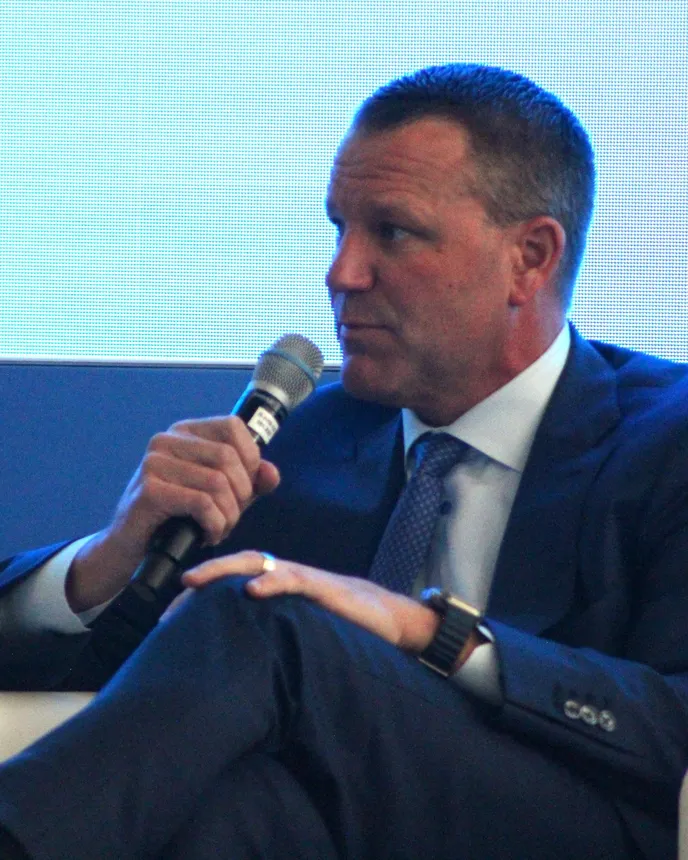
I can tell you where I was on March 11, the morning I got called. All you have your phones out. Just imagine taking those phones and wiping them clean, and then trying to get through the rest of your day. Who would you call? How would you look up numbers? How would you contact loved ones? That's what we went through. … It was a trying time, and so you try to remember, what do we do during these things? You prioritize. … What's most important? Safety of our patients, of our employees, of our teammates. How do we continue to take care of our customers? How do we communicate as much as we can, as transparently as possible?”
Insulet CEO Ashley McEvoy on leading through a tough market:
“Leadership is about being in service of others, creating the right conditions where people can learn and contribute, can trip a little bit, and really stay laser focused on the mission. It's curating an open ecosystem on innovation, so that we can really get after whether it be changing the labor force, dramatically impacting outcomes, operating speed, and then scale, while maintaining that entrepreneurship that got market leaders to be the market leaders. And never forgetting the origins of where those early seeds came from.
That balance is what we're always trying to architect in tough markets where there are not many believers, and we just stay focused on the mission.”
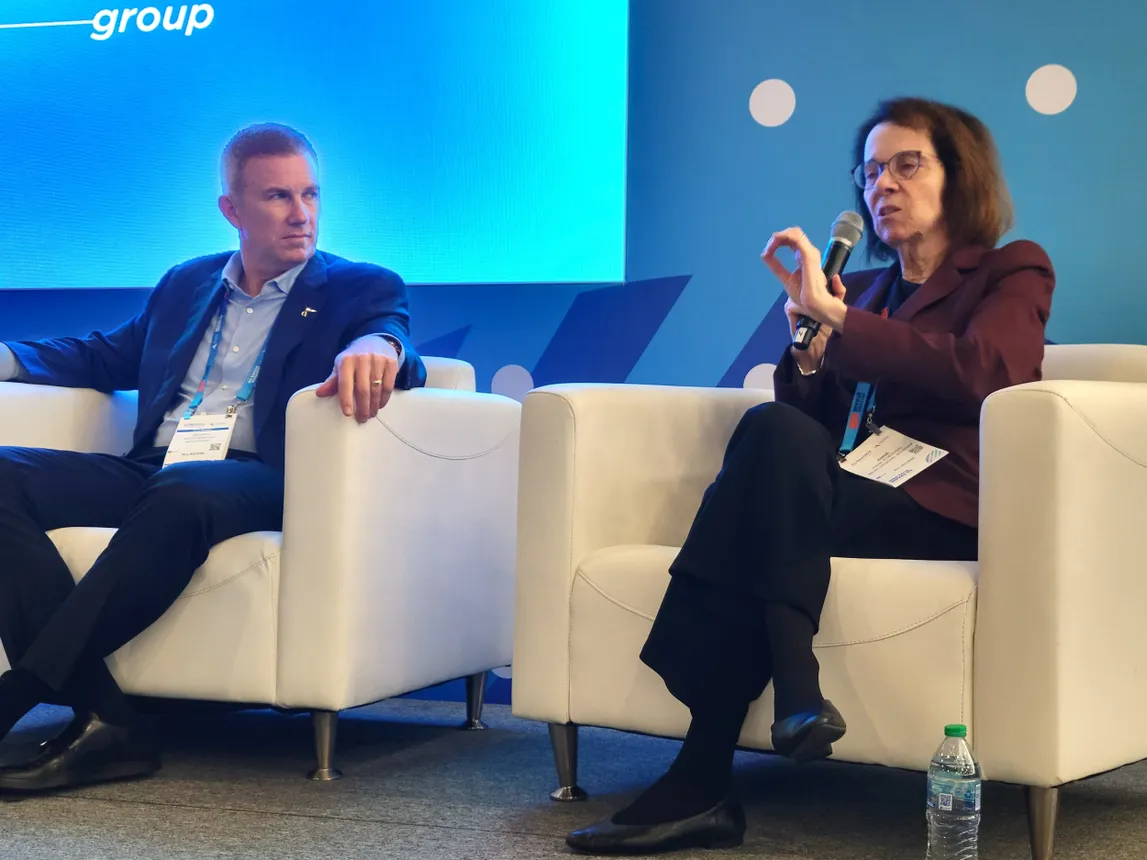
Mass General Brigham CEO Dr. Anne Klibanski on hospital costs:
“This is just a very important point to understand. Not not only for Mass General Brigham, obviously in the state of Massachusetts, but the entire country. The constant increase in cost, whether it's labor, supply chain, pharmaceutical — I could go on and on. All of the economic factors that hit everybody in every business really [do] affect us profoundly. So we're also faced with all of the federal things that are going on in terms of Medicaid, Medicare, millions of people who are rolling off of Medicaid, who will then become uninsured, and how we all in healthcare are going to take care of them.
… We have probably 200,000 devices that we monitor. In terms of implants alone, that's over probably $420 million a year, and increasing every year. So I will clearly get to half a billion just in implants alone, and the majority of that is cardiac-thoracic.”