Dive Brief:
- Johns Hopkins University spinoff Bayesian Health received 510(k) clearance for an artificial intelligence tool to help detect sepsis early.
- Sepsis is a life threatening response to infection. Detecting sepsis earlier can improve a patient’s chance for survival. Once a clinician suspects sepsis, the clock has been running, often for hours or even days, Bayesian Health founder and CEO Suchi Saria said in a Tuesday statement.
- Other Food and Drug Administration-authorized sepsis tools on the market require a physician to suspect sepsis first. Bayesian’s system, which uses electronic health records and AI, can detect sepsis nearly two to 48 hours faster than traditional methods, the company said.
Dive Insight:
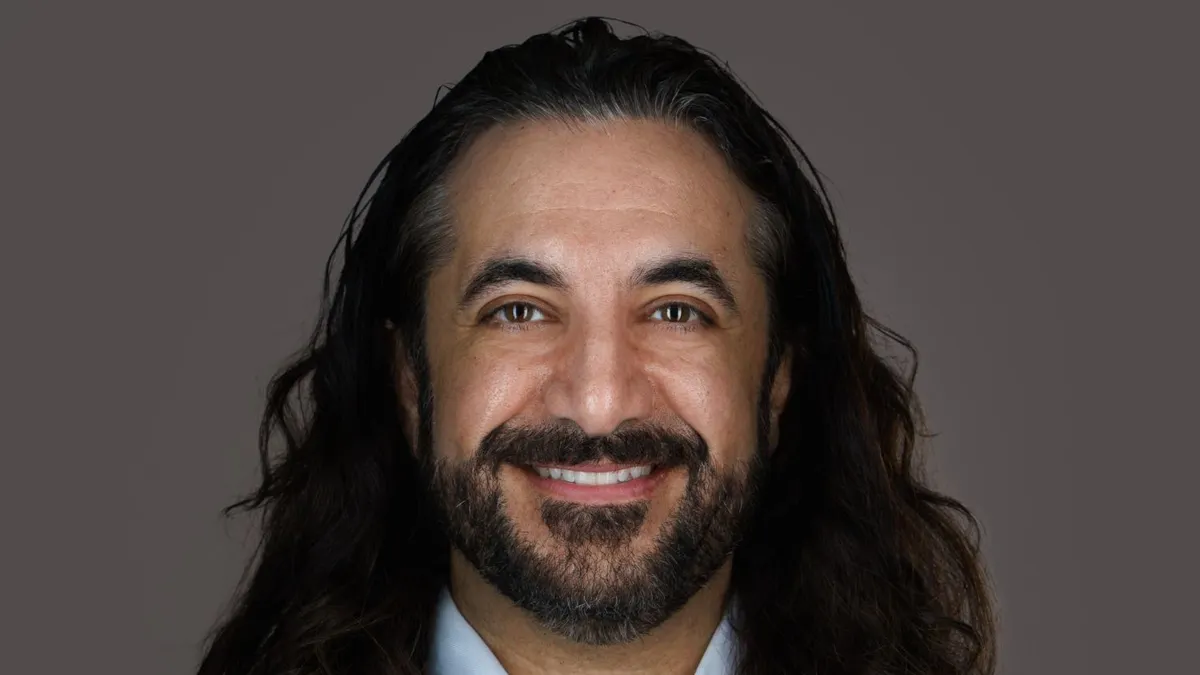
Bayesian was started by Saria, a Johns Hopkins professor and director of the AI & Healthcare Lab. Saria started translating her lab’s research into a real-world product after losing her nephew to sepsis in 2017.
Sepsis is a leading cause of death in U.S. hospitals, and can be easy to miss. Its symptoms, such as fever and confusion, are common in other health conditions.
“Sepsis has been the focus of my work for more than a decade — a direction set, in part, by losing someone I loved to it,” Saria said in a statement. “The work behind this clearance spans more than a decade: the deep research, the peer-reviewed validation, and the deployments that proved it works at the bedside. FDA clearance is a critical milestone, and it's also the consequence of years spent validating that this fits into clinician workflows and helps them get ahead of deterioration instead of reacting to it. That's the bar clinical AI should be held to.”
Bayesian’s device analyzes patient data from electronic health record systems, including the chief complaint at the emergency department, laboratory measurements, vital signs, procedures and medications, according to the FDA’s summary. The system puts out a flag, such as “sepsis risk high,” within the health record to help clinicians detect sepsis early.
A prospective study published in Nature in 2022 found that patients with sepsis whose alert was confirmed by a clinician within three hours had a reduced in-hospital mortality rate and lower rates of organ failure and length of stay, compared with patients whose alert was not confirmed by a provider within three hours. Patients with sepsis were 18% less likely to die in the hospital when clinicians acted on Bayesian’s alerts in time, the company said in a summary of the findings.
Bayesian received the FDA’s breakthrough designation in 2023 for the technology. It has been deployed at several health systems, including Cleveland Clinic, MemorialCare in California and University of Rochester School of Medicine.