Artificial intelligence remained a buzzy topic at AdvaMed’s The MedTech Conference last week.
AI came up in several industry panels and keynotes at the annual event, with speakers delving into future regulations and how to thoughtfully apply the technology. Medical device firms discussed their approaches to developing devices with an AI component, as well as how they’re using the technology across their companies.
In interviews at the conference, MedTech Dive asked speakers for their hot takes on AI in medtech. Here are their responses:
Ketryx CEO Erez Kaminski:
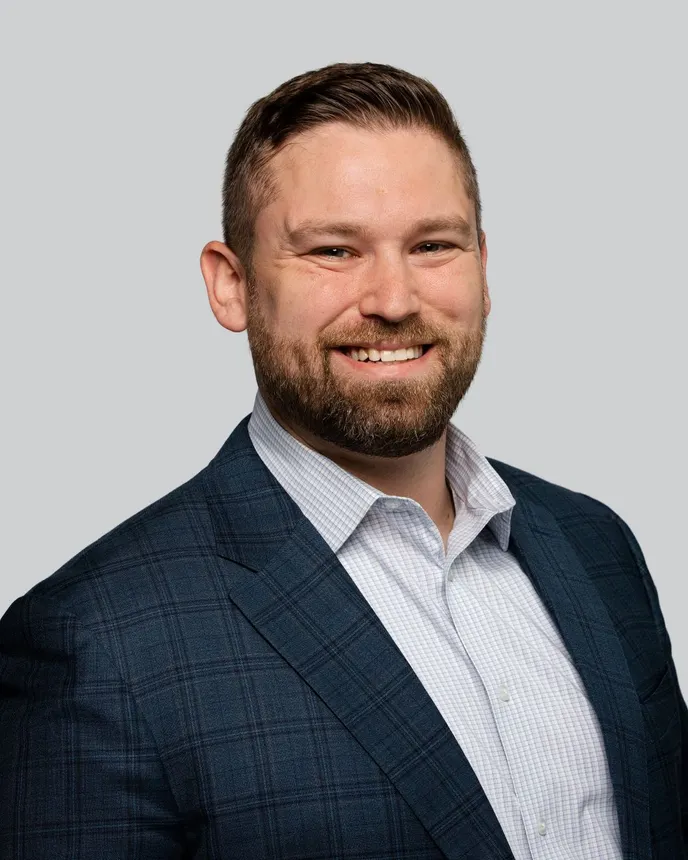
“My hot take is that it is more complicated than people think it will be. There's a lot of things working, and my hottest take is that I think it's much less deployed than people tend to believe.
…That's going to be their main problem, is that they're all going to deploy a lot of AI agents, and a lot of them will touch highly regulated processes and quality-related processes. It is very challenging for the companies to even manage one or two regulated IT systems, but now they're going to have to manage hundreds of them, changing all the time. It's going to be very, very challenging for folks to do this well.
… There's hundreds of use cases, probably over 1,000 in a medtech company. Maybe half of them are in R&D. And then, how do you actually deploy all that and design it? And a lot of them are going to be tailored to specific product lines. Just managing that complexity is going to become a large focus area.”
ResMed CEO Mick Farrell:
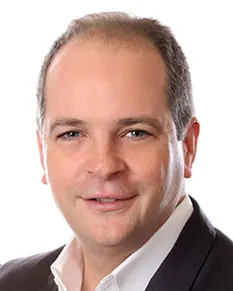
“Own your vertical. Create the infrastructure. So for sleep health, breathing health and healthcare delivered at home, that's ResMed’s core market where we're number one globally. … We have to be the world's best at applying AI in that space.
I don't really talk about it because it's important, but it should just be what you do: We use AI in supply chain. We're using it to create really great cost savings that can offset some of the inflation. … Many companies in the consumer tech industry have applied AI and customer service. So let's take that off the shelf. But for sleep health, for helping 12 million-plus users of myAir, for helping the 35 million patients that are in AirView, there's only one player on the planet that can do that at scale with 28 billion nights of data, and that's ResMed.”
i-GENTIC AI CEO Zahra Timsah:
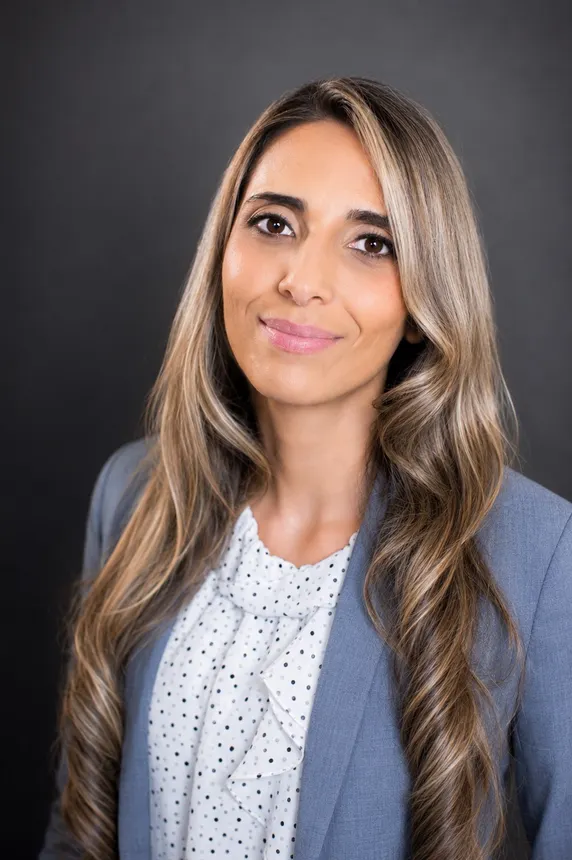
“We are giving AI more responsibility without being clear enough about its authority.
An AI system can produce an accurate answer and still share patient information improperly, skip a required approval or act on an outdated regulatory requirement. It doesn’t take a hacker or a wrong answer for something to go wrong.
To me, that is where AI policy and cybersecurity meet. Policies define what should happen, and security controls access. We also need to check whether each action is allowed before it happens.”
Alexander Group Partner Mike White:
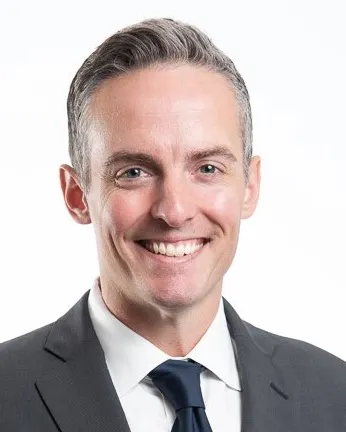
“There will be a wide difference in productive versus unproductive uses of AI, and then we'll learn in the coming six months, a year, two years. We'll find some devices, many applications that are very productive, but we'll also find a lot of applications that are being created right now that are not useful in practice.
…The examples of AI that are really interesting are thinking about how you're deploying agents within every aspect of your business. There's ways that you can do that that will enhance productivity.
For us, we focus on the commercial organization, so we can come at it from how you're deploying engagement agents to inbound lead qualification … making your sales and marketing teams more productive. So those are examples of where I think that it will continue.
On the flip side, I hear about examples of AI that's utilized for a video call that a sales rep can have with the customer, and it reads their expression and suggests to the sales rep how they should respond based on the person's expression. My perspective is the rep should be able to just know that without AI.”