Dive Brief:
- Medtronic received Food and Drug Administration approval for its next-generation mitral valve and has launched the device in the U.S., the company said Wednesday.
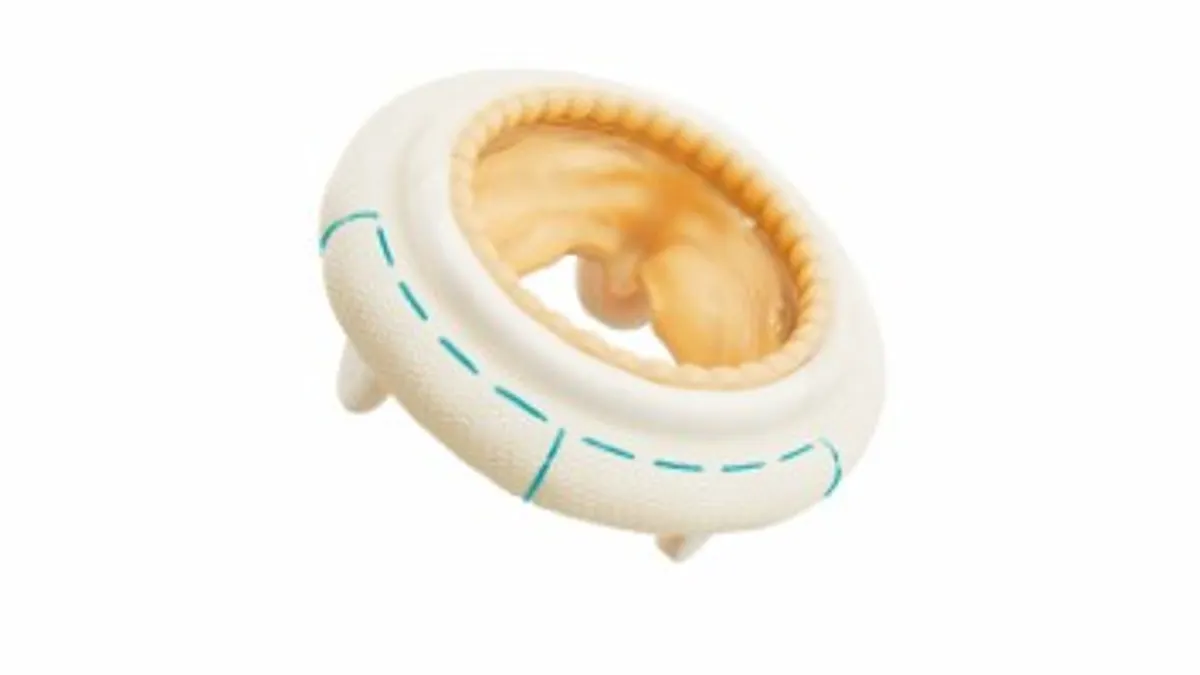
- Called Mosaic Neo, the bioprosthetic valve is designed to be implanted through sternotomy, which requires separating the breastbone to reach the heart, or through minimally invasive surgery.
- In addition, the first concomitant procedure was performed where the Mosaic valve was implanted alongside Medtronic’s Penditure left atrial appendage exclusion device, the company said. The Penditure clip is designed to close the left atrial appendage to help prevent clots from entering the bloodstream.
Dive Insight:
Mitral regurgitation, a common heart valve disease affecting millions of people globally, occurs when the valve does not shut properly, allowing blood to flow back into the heart. The condition causes the heart to work harder than normal and can eventually lead to heart failure.
Medtronic said that nearly 20,000 patients undergo surgical mitral valve replacement in the U.S. each year.
The company’s original Mosaic porcine valve received FDA premarket approval in 2000 for replacing malfunctioning native or prosthetic aortic and mitral heart valves. The Mosaic Neo mitral valve builds on the earlier Mosaic platform.
A Medtronic spokesperson said in an email that Mosaic Neo is the only mitral valve constructed from a full native porcine valve, which is an important differentiating feature for its performance.
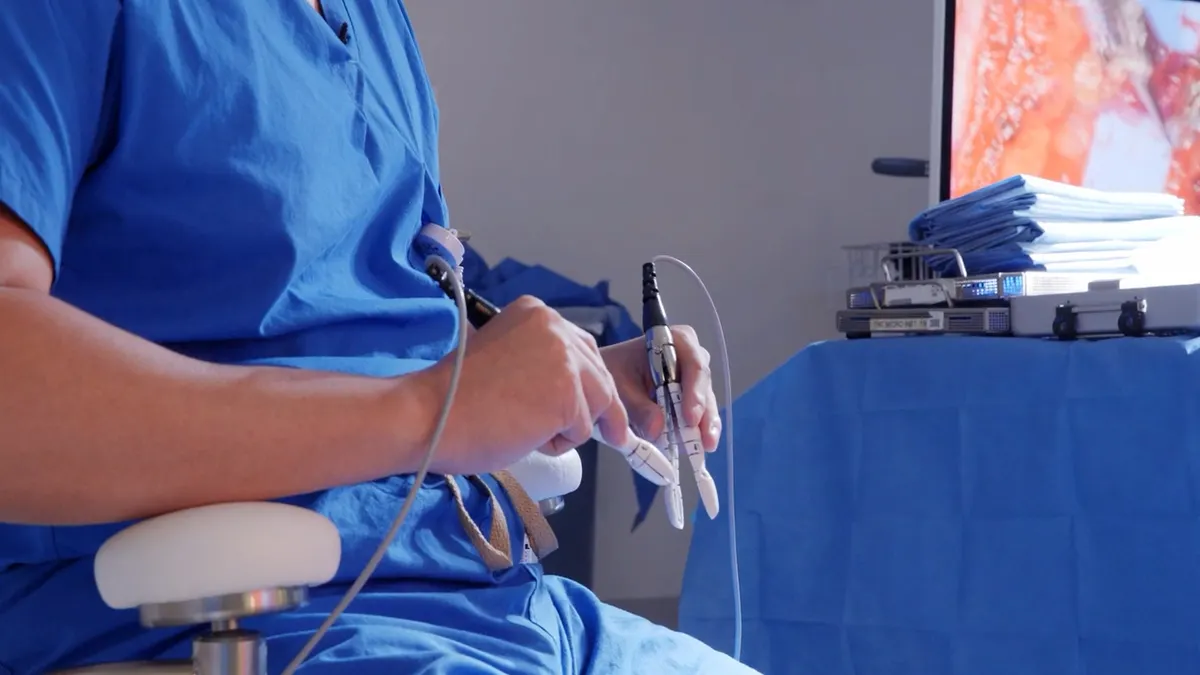
Medtronic said surgeons have now performed initial implants of the Mosaic Neo valve at centers across the U.S. The first robotic implantation of the valve has also been performed.
The device will be launched officially next month at the American Association for Thoracic Surgeons annual meeting in Chicago, the company said.
Douglas Johnston, chief of cardiac surgery at Northwestern Medicine Bluhm Cardiovascular Institute, said the improvements in the new version of the valve help address the challenging anatomy that is often seen in mitral valve replacement patients.
Medtronic competitor Abbott makes the MitraClip repair device and Tendyne transcatheter mitral valve replacement system, while rival Edwards Lifesciences makes the Pascal system for mitral valve repair and the Sapien M3 replacement valve.