As 2026 nears a close, medical device companies made it through a bumpy year with a challenging stock market, inflation and lots of discussion about the impact of artificial intelligence.
Medtech M&A surged in 2026, but company valuations fell during the first half of the year, according to EY’s Pulse of the Industry report. Much of the dealmaking was driven by a handful of large, multibillion dollar acquisitions. Medtech firms also continued to spin out segments as they reorganize their portfolios.
Here are three highlights from the report:
1. Large deals fuel medtech M&A
Medtech M&A reached its highest level in more than a decade, according to EY, with disclosed deal value totaling about $130 billion during the 12 months ending June 30. That amount is more than triple the $39 billion reported in the same period a year ago.
Much of the total was driven by large deals valued at roughly $10 billion or more: Waters’ $17.5 billion purchase of BD’s biosciences and diagnostic solutions business in February, Abbott’s $21 billion acquisition of Exact Sciences in March, Danaher’s $9.9 billion buy of Masimo in June, and Boston Scientific’s $15.2 billion acquisition of Penumbra, which is still pending.
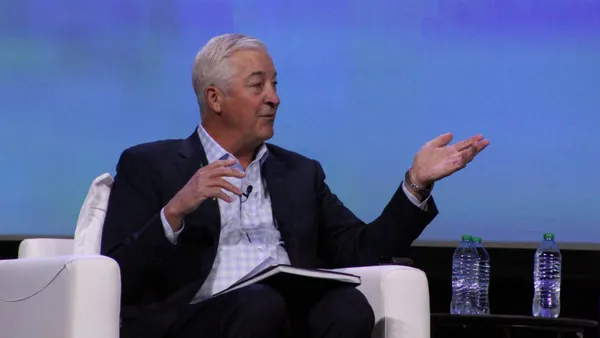
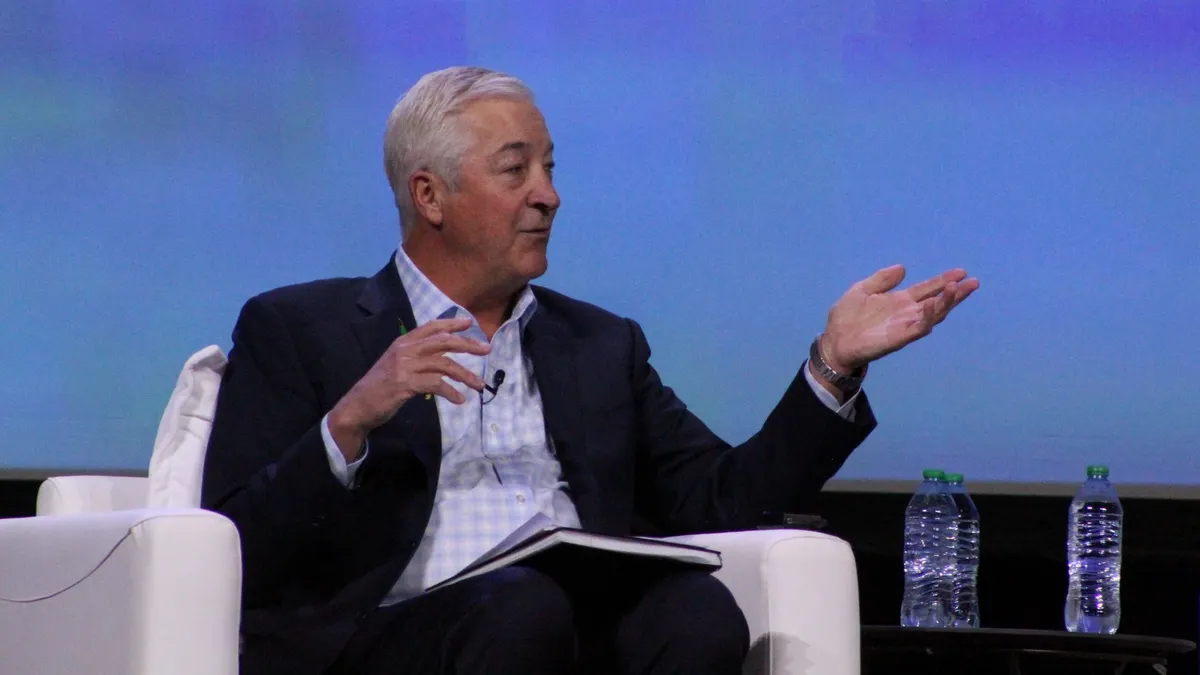
As a result of the large dealmaking, much of the capital raised across the first half of 2026 was fueled by debt, although venture funding remained robust, EY Global MedTech Leader John Babitt said in an interview.
Another trend related to M&A is the emergence of private equity and take-private deals, Babitt said. Some private equity firms that were involved in recent medtech acquisitions include GTCR, Patient Square Capital and American Industrial Partners.
2. Spinoffs remain a trend
Medical device firms have used spinoffs as a strategy since 2023, when large conglomerates such as GE and Johnson & Johnson shed large units.
Since then, spinoff plans have continued, with Medtronic’s diabetes unit MiniMed going public as a separate company in March, J&J planning to spin off or divest its orthopedic unit and Abbott recently announcing plans to shed its nutrition business.
“Just because you say you're going to do a divestiture doesn't create shareholder value,” Babitt said, adding that finding the right buyer is important. He listed the MiniMed deal as an example of a success for Medtronic.
3. Company valuations fall
Company valuations declined nearly 10% in the first half of 2026 compared with the year-ago period, according to the report. Companies reported a total market capitalization of $1.58 trillion in the first half of the year.
“It was very, very easy for companies to say, well, medtech is down, but so is the rest of the market because all the fund flows and capital are going into AI and technology,” Babitt said.
The challenge, he added, is that many companies also had downward revisions on their earnings estimates. Boston Scientific and Abbott recently lowered their sales growth forecasts for 2026.
As a result, Babitt expects to see decelerating growth at the end of 2026.
Despite these challenges, investors are still looking for the next big thing. Money is being poured into robotics and brain computer interface firms. Babitt also highlighted procedures that offer an alternative to drugs, such as Medtronic’s and Recor Medical’s renal denervation procedure for hypertension, and advances in tumor ablation procedures to treat cancer.