Dive Brief:
- Abbott said Wednesday it received Food and Drug Administration approval for a transcatheter device designed to close a small gap that can develop between the heart tissue and a new valve after replacement surgery, causing blood to leak.
- Such paravalvular leaks occur in 7% to 17% of mitral valve replacements and 5% to 10% of aortic valve replacements, the company said.
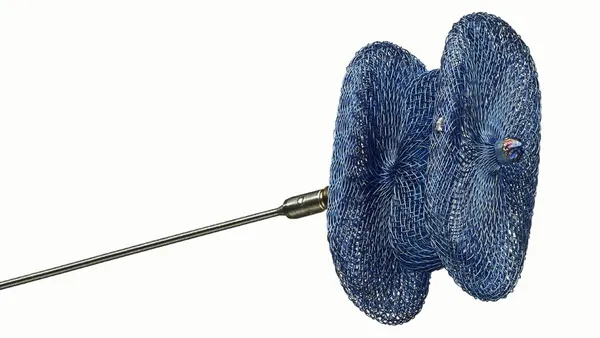
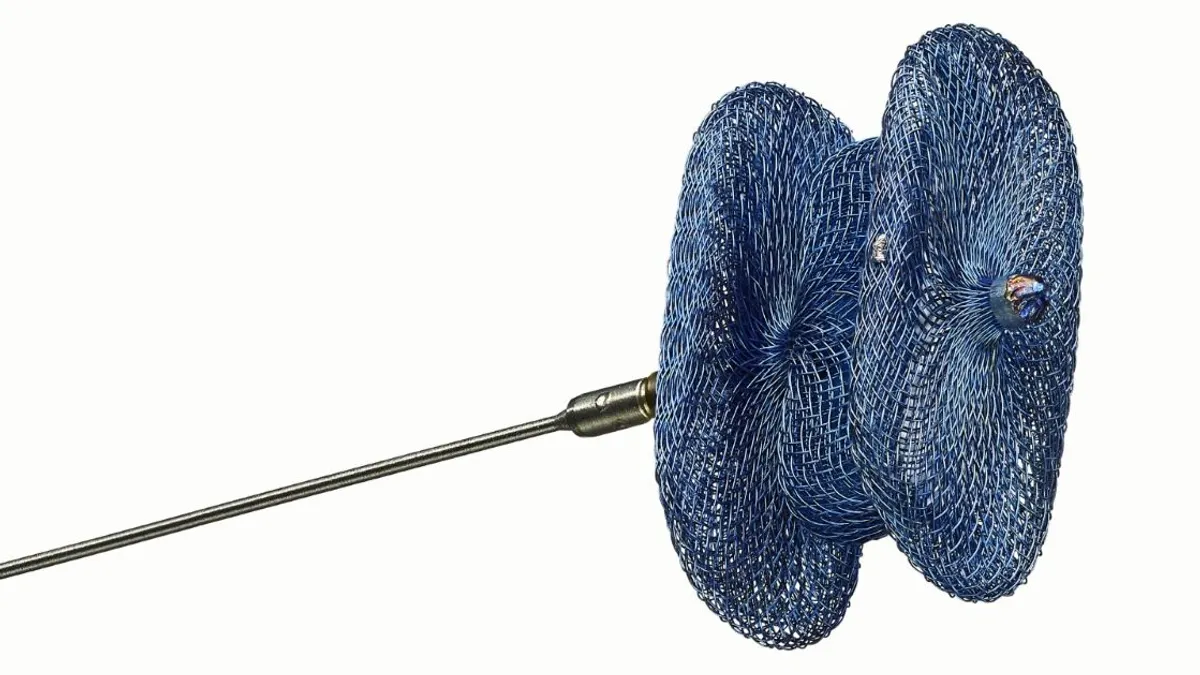
- The Amplatzer Paraclose PVL Occluder is the first minimally invasive device approved in the U.S. to close paravalvular leaks around surgical replacement heart valves and offers an alternative to additional open-heart surgery for addressing the problem.
Dive Insight:
Paravalvular leaks can cause shortness of breath, swelling of the legs and feet, and damage to red blood cells, according to Abbott.
The Amplatzer Paraclose device, implanted with a catheter delivered through an artery or vein in the leg, fills a critical unmet need that allows many patients to avoid the risks of another surgery, Sandra Lesenfants, senior vice president of Abbott’s structural heart business, said in a statement.
FDA approval for the device was supported by positive clinical data from the PARADIGM trial, a prospective, multicenter, single-arm study of 200 patients. Abbott said the study showed Amplatzer Paraclose is an effective, minimally invasive alternative to repeat open-heart surgery.
The company said in an email to MedTech Dive that it will present 30-day results from the trial at the upcoming Transcatheter Cardiovascular Therapeutics conference in San Diego.
Amplatzer Paraclose is the latest addition to Abbott’s portfolio of minimally invasive Amplatzer devices, which includes the Piccolo Occluder for closing congenital heart defects and Talisman PFO Occluder for stroke risk reduction.
Outside of the U.S., the Amplatzer Paraclose PVL Occluder is known as the Amplatzer Valvular Plug III. The device has been approved to treat paravalvular leaks in Europe since 2020.
Abbott also makes the Amulet implant that seals the heart’s left atrial appendage to help reduce the risk of stroke in people with atrial fibrillation. A next-generation version of Amulet received Europe’s CE mark in August and is under FDA review.