Dive Brief:
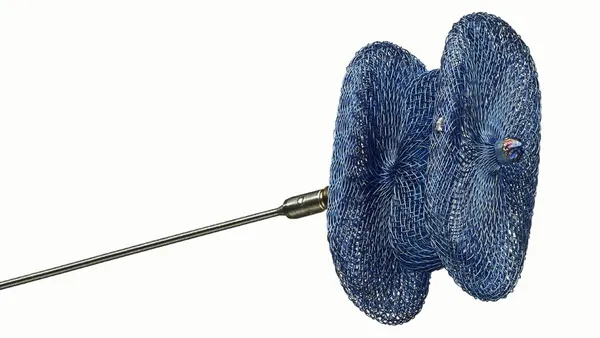
- Abbott has started a pivotal clinical trial of its investigational Cephea mitral valve system, the company said Thursday.
- The device, which Abbott acquired in its 2019 takeover of Cephea Valve Technologies, replaces the diseased mitral valve to restore normal blood flow through the heart.
- Cephea performs the same function as Abbott’s Tendyne but is delivered through a vein in the leg, rather than via a small incision in the chest.
Dive Insight:
In July 2015, Abbott agreed to buy Tendyne for $225 million upfront and secured an option to acquire Cephea. Abbott CEO Robert Ford discussed that period on an earnings call in July, telling investors that companies were investing in mitral devices around 2015 believing that the market could be as big as the transcatheter aortic valve replacement sector.
A decade after the investments, Ford said, “We have the potential to actually make that a reality” with the Cephea valve. Ford’s forecast reflects the “incredibly positive things” he has heard about the transcatheter mitral valve replacement device.
Abbott is enrolling up to 585 people in the U.S., Canada and Europe to validate the device. The study is testing Cephea in people who either have moderate-to-severe mitral regurgitation or have mitral valves that no longer function properly because of a buildup of calcium at the base. A hospital in Wichita, Kansas, recently enrolled the first patient in the study.
Abbott sees the device as complementary to its transcatheter edge-to-edge repair device, MitraClip, and its other transcatheter mitral valve replacement system, Tendyne. MitraClip clips the leaflets of the mitral valve together. Tendyne delivers a self-expanding valve through a small incision in the chest.
The portfolio competes with mitral products from Edwards Lifesciences. Both companies sell devices for repairing and replacing mitral valves. Edwards sells its Sapien M3 system for transcatheter mitral valve replacement.