Dive Brief:
- A panel of independent experts advising the Food and Drug Administration on Wednesday found the probable benefits of Grail’s Galleri multicancer blood test outweigh the risks in a 7-2 decision, with one member abstaining from the vote.
- Debate during the daylong meeting centered on the risk of false positive or negative results, and whether patients whose tests showed no cancer signal might opt to skip existing guideline-recommended screenings. The risk of a false positive result was deemed low.
- The panelists voted unanimously that the test is safe, but narrowly backed its effectiveness, with six members voting in favor and four against. Grail has submitted a premarket approval application for Galleri. The FDA follows the advice of its expert panels most of the time. “This is a solid predictor of FDA approval, in our view,” Canaccord Genuity analysts wrote in a note.
Dive Insight:
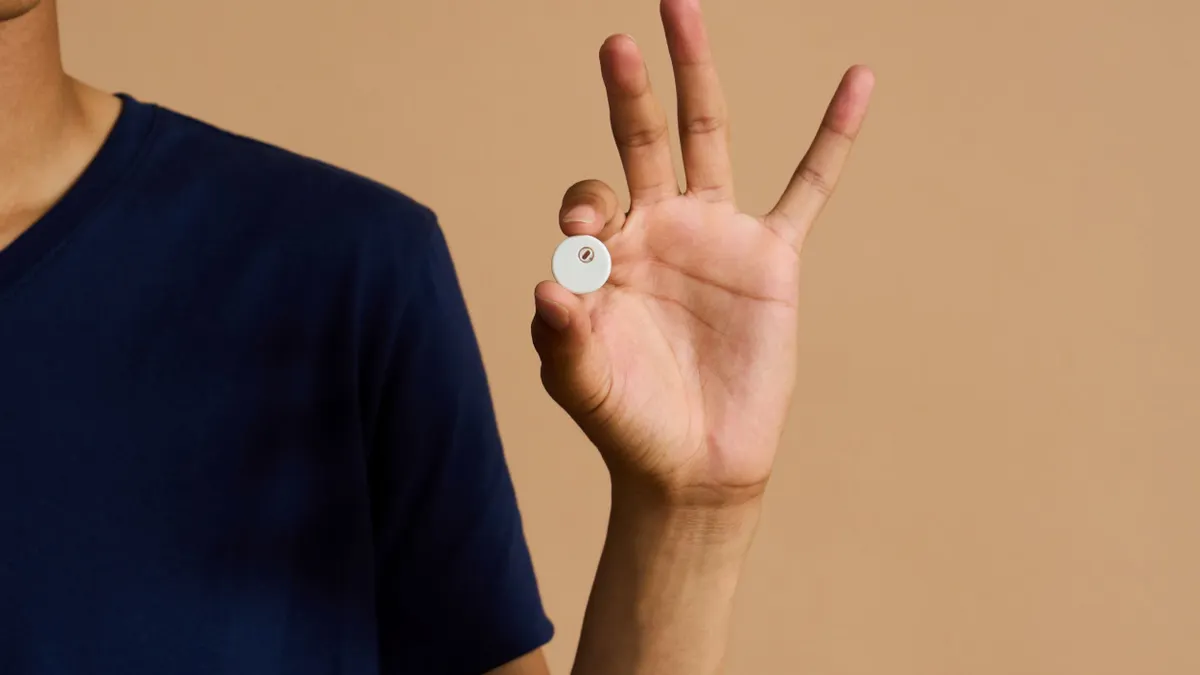
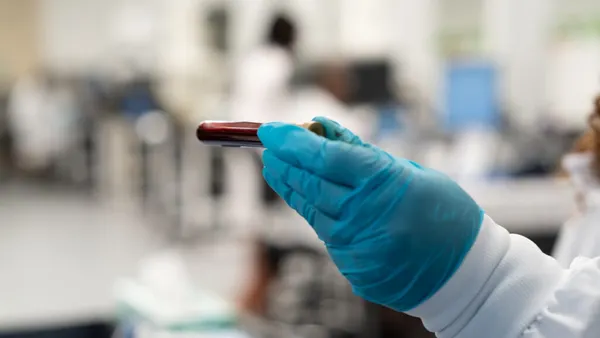
No FDA-authorized devices screen for multiple types of cancer. Galleri is based on a single blood draw that may detect cancers that have no existing screening methods. The Grail test analyzes methylation patterns in cell-free DNA shed into the blood to detect a cancer signal. If one is found, it looks to identify the tissue type or organ associated with the signal.
Several members of the molecular and clinical genetics panel stressed during the discussion that the liquid biopsy test should not be used to replace cancer diagnostics recommended in current medical guidelines. Those include tests for breast, cervical, colorectal and lung cancer.
“The biggest concerns, as we've talked about, are people being falsely reassured and not getting recommended screening, and then the very small number of people who have a false positive, and the exposure they get to [follow-up] testing,” said Deborah Armstrong, professor of oncology at Johns Hopkins School of Medicine. “But if people are well informed, I think that's acceptable.”
The aim of multicancer screening is to find cancers earlier, when they are asymptomatic and more treatable. At the meeting, several members of the public spoke about how the Galleri test detected their own cancers, including Kevin McFarland, a retired Ohio firefighter whose esophageal cancer was diagnosed at stage 1. “To have this test catch my cancer that early, it truly saved my life,” McFarland said.
However, panel members were also cautious about limited data on how reliably Galleri screens for some cancer types.
“We don't have the evidence in front of us today to say this test can detect those types of cancers, and until we do, I don't think we can say that Galleri can detect those cancers,” said Charity Morgan, professor of biostatistics at the University of Alabama.
The test failed to meet the primary endpoint in the NHS-Galleri trial, but Grail emphasized its data showed a shift toward cancer detection signals at earlier stages of the disease. The company said Galleri has detected about four to seven times more cancers compared with standard of care alone.
The test is intended to be used in addition to, and not as a replacement for, guideline-recommended screenings, Grail said.
Grail began selling Galleri as a laboratory developed test in 2021, a pathway that does not require FDA approval.